
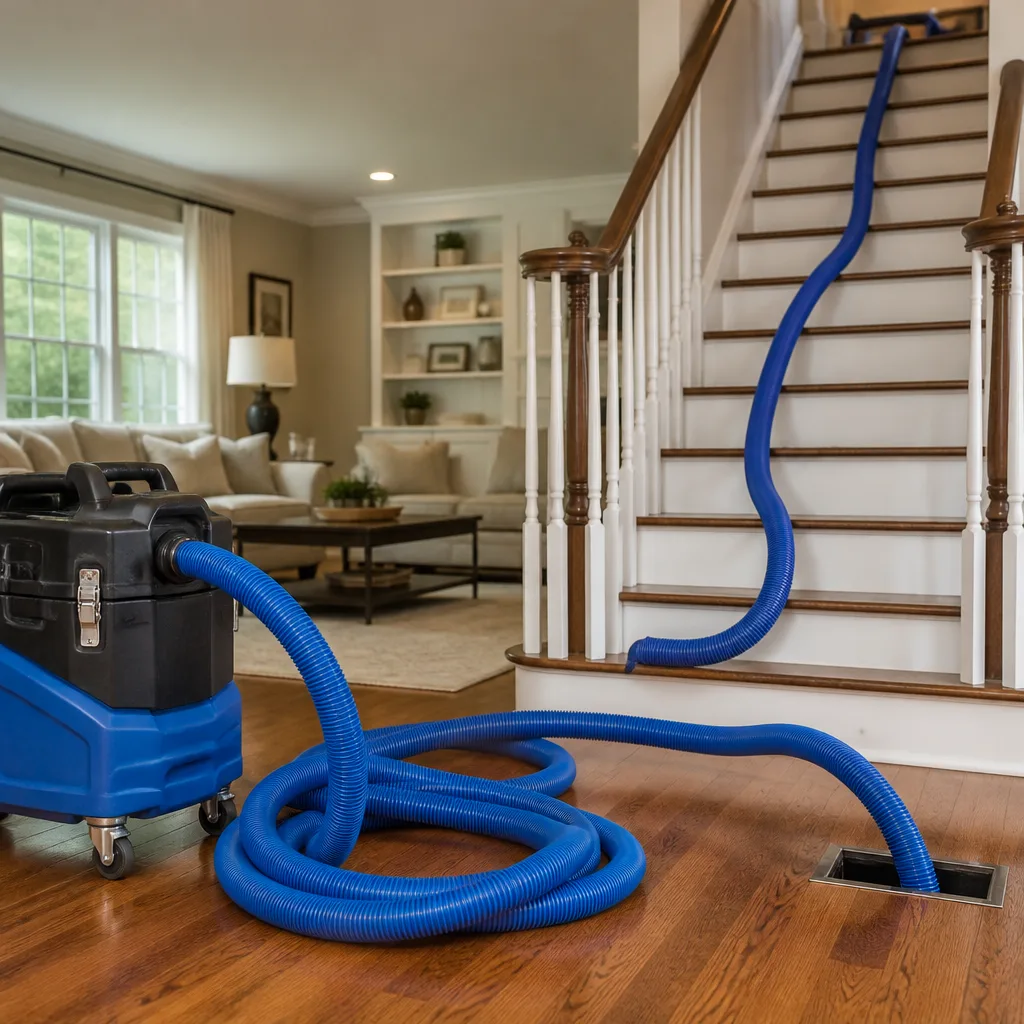
 Whole-home duct cleaning
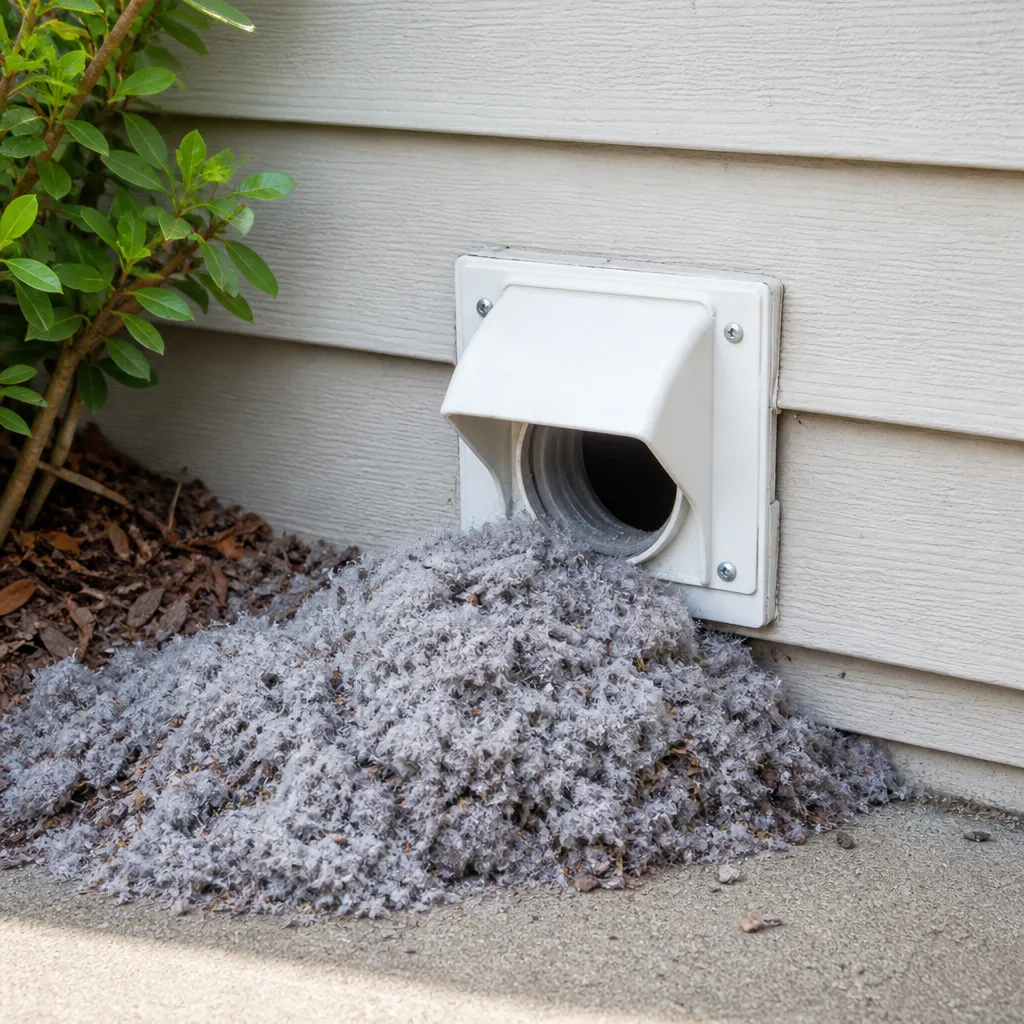 Dryer vent cleaning
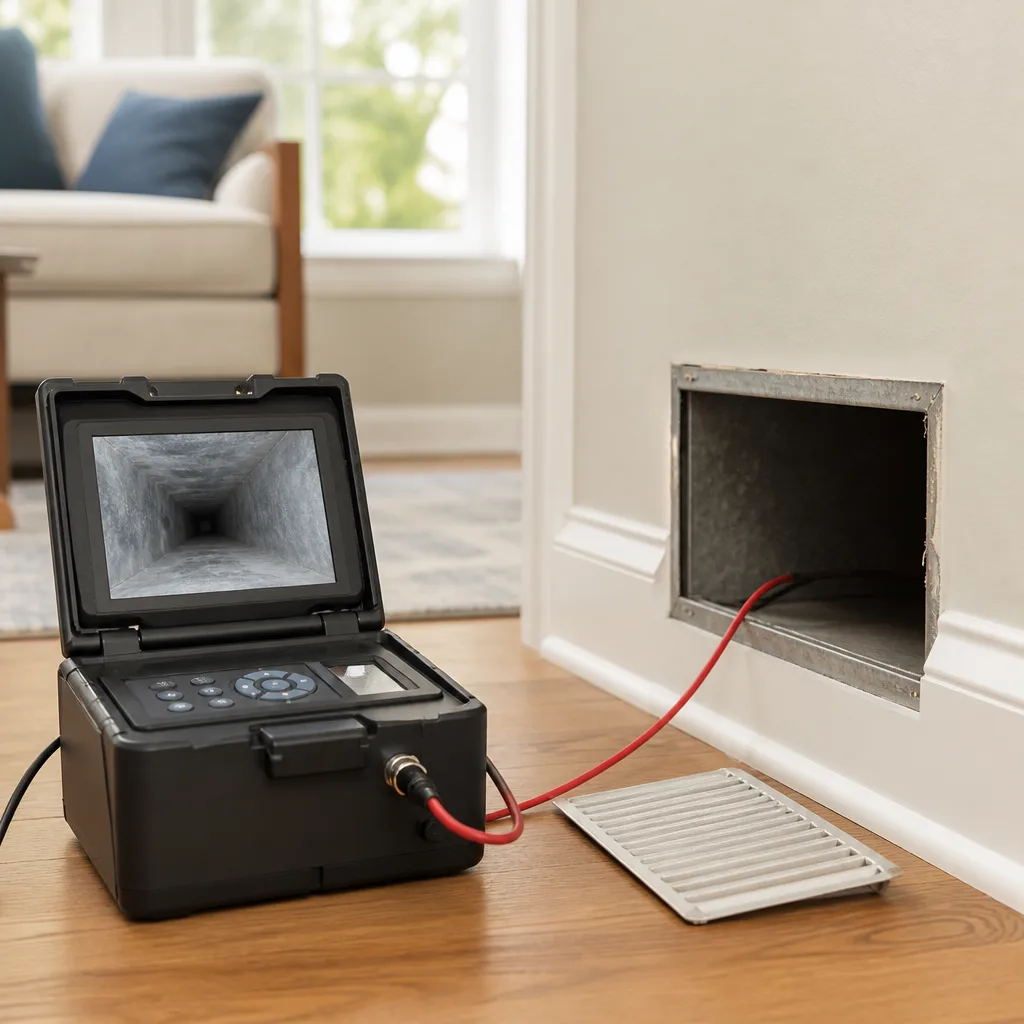 Camera inspection
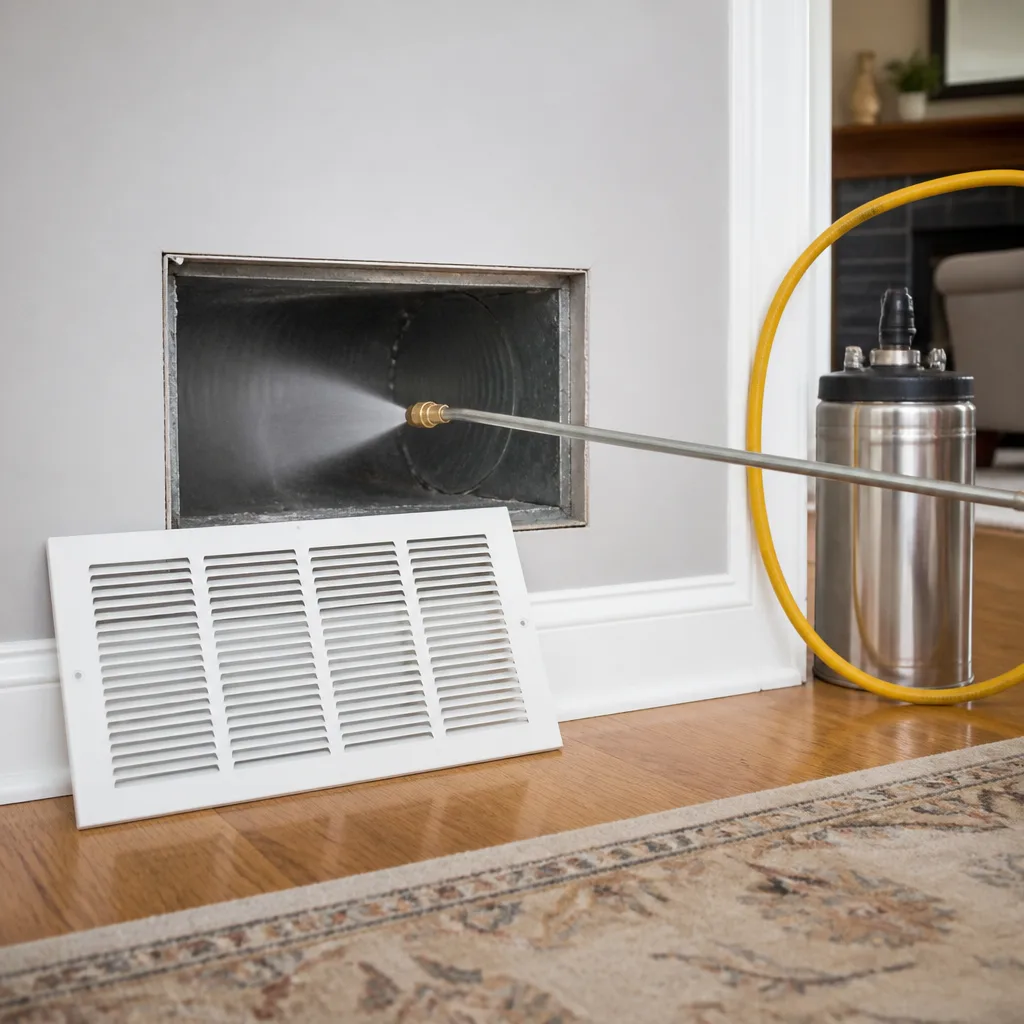 Sanitizing & deodorizing
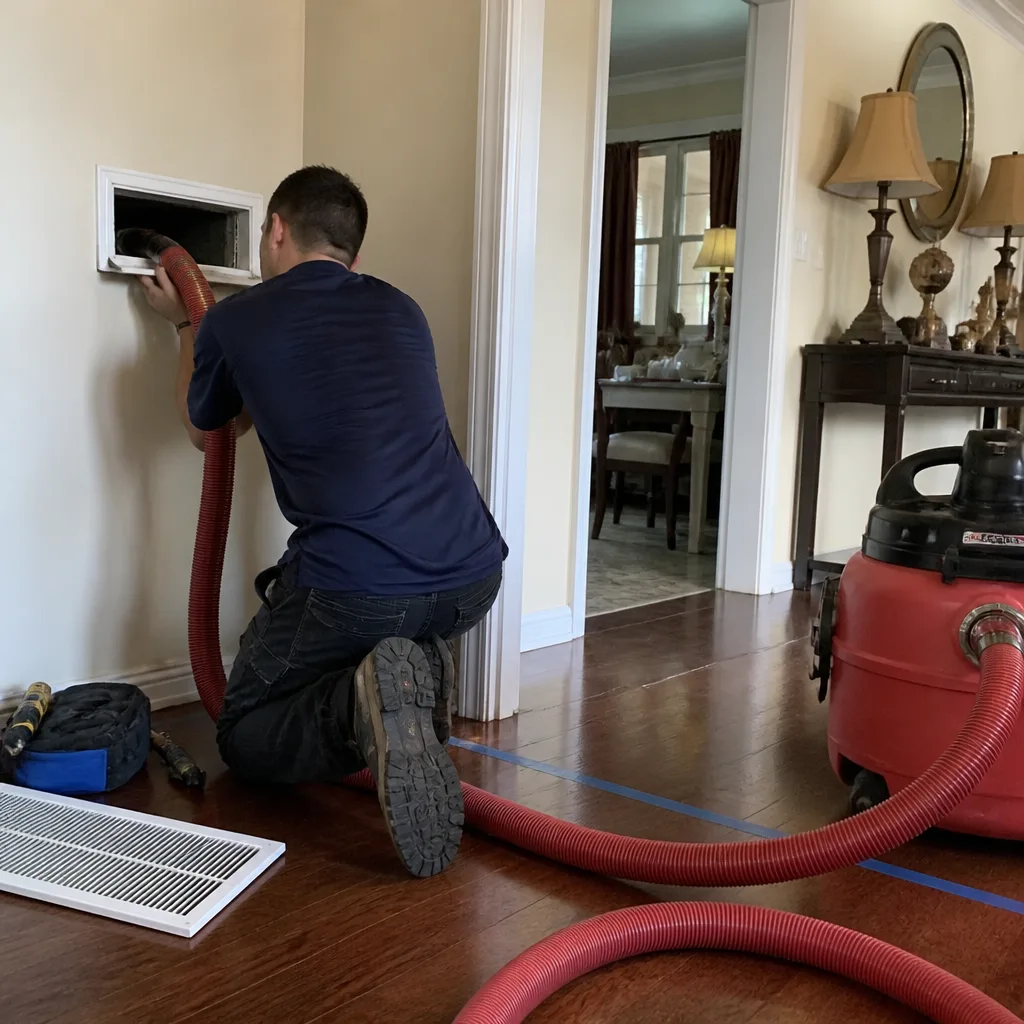
Whole-system duct and dryer vent check with before-and-after photos - you see exactly what came out of your vents
That "$99 whole-house special" is a bait ad - the real number appears once they are in your hallway, or the "clean" is a shop-vac at the register. We photograph the inside of your ducts before and after instead.
Nikro Duct Sealing & Repair: The Alpharetta Owner’s Guide
We stock and install Nikro-compatible duct sealing and repair components across Alpharetta, with most jobs running $340 to $680 installed depending on access and how much of the duct run needs attention. If your Nikro system is showing separation at the joints, visible gaps around the plenum, or you’re losing conditioned air into the attic, we can usually get it sealed within the week. Most homeowners discover the problem the same way: a room that never quite cools, a dust film that returns days after cleaning, or an energy bill that creeps up each summer while the AC runs longer than it should.
Roy Castellanos has spent the better part of two decades cleaning duct systems across Alpharetta, including a stretch of older two-story homes near Windward Parkway where the debris buildup told a story about exactly how long those systems had been ignored. What he sees most often on Nikro-branded duct runs is not a machine failure but a sealing failure: tape that dried and released, mastic that cracked at the seam, or connections that were never properly sealed when the system went in. The good news is this is repairable without replacing your ductwork. The better news is it’s the single most cost-effective improvement most Alpharetta homes can make to their existing system.
One thing to be clear about: Hollis Air Duct Alpharetta is an independent service provider. We are not affiliated with Nikro, and we don’t claim to be. What we are is a duct sealing and repair crew that stocks Nikro-compatible sealing products on the truck, understands how their duct systems are put together, and writes the price down before any work starts. That matters more than a logo on a van.
Which Nikro Models This Applies To
Nikro’s residential duct sealing and repair needs fall into two broad camps, and the distinction matters for parts selection. The first is their flexible duct installations using their standard 4-inch through 16-inch flexible duct connectors and collars. The second is their rigid duct and plenum systems, which use sheet metal transitions, mastic-sealed joints, and foil-backed tape at the seams. Within each camp, the critical measurement is the duct diameter at the connection point, not the overall system size. A Nikro system with a 12-inch trunk line will take different collars, takeoffs, and mastic quantities than one with an 8-inch trunk, even if both serve three-bedroom homes.
To identify exactly what you need, look for the manufacturer label on the duct itself, typically printed along the outer jacket near a connection point. The label will list the diameter and sometimes the R-value of the insulation. If the label is gone or unreadable, measure the inside diameter of the duct at the register boot, not the outside diameter of the insulation. That inside number is what drives part sizing. In Alpharetta’s humid climate, we also flag one local compatibility gotcha: Nikro flexible duct installed during the building boom of the late 1990s and early 2000s often used a thinner outer vapor barrier than what Nikro ships today. In unconditioned attics that hit 130 degrees in July, that older barrier turns brittle and tears. When we seal those runs, we use a foil-faced tape rated for high-heat attic conditions, not standard HVAC tape, because standard tape releases within two or three Georgia summers. That’s a $40 difference in materials that prevents a repeat failure.
For the OEM vs. aftermarket question: Nikro’s OEM mastic and tape products are solid, but they’re not magic. Quality aftermarket equivalents from brands like Hardcast and Shurtape meet or exceed the same specs, and we stock them on the truck. What we won’t do is use big-box store all-purpose duct tape. That product is not for HVAC air conveyance. It fails, and it fails predictably, which is why roughly a third of the sealing repairs we do in Alpharetta are re-dos of someone else’s tape job.
Styles & brands we work with
Signs Your Nikro Duct Sealing & Repair Is Failing
- Rooms that never reach temperature. A room that’s consistently five or more degrees warmer than the rest of the house usually means conditioned air is leaking into the attic or crawlspace before it reaches that register. The leak is almost never at the register itself; it’s at a joint upstream where the duct meets the plenum or a takeoff collar.
- Dust film returns within three days of cleaning. Leaky return ducts pull attic air into the system, and Alpharetta attic air is full of fine particulate, insulation fibers, and pollen. If you dust on Sunday and see a film by Wednesday, your return side is pulling unfiltered air.
- Visible separation at the joints. Walk the attic with a flashlight and look where the flexible duct meets the metal takeoff. If you see a gap, silver tape peeling, or insulation that’s pulling back from the collar, that’s a confirmed leak. No tool needed.
- Condensation on the outside of duct runs. In Alpharetta’s summer humidity, warm attic air leaking against cold duct surfaces produces condensation, which soaks insulation and eventually drips onto the ceiling below. The water stain on your ceiling is a duct sealing problem, not a roof problem, more often than people realize.
- A utility bill that defies explanation. Duct leakage of 20 to 30 percent is common in older Alpharetta homes, and that’s a 20 to 30 percent tax on every cooling cycle. If your usage is climbing while your habits haven’t changed, leaky ductwork is one of the first three things we check.
See the difference
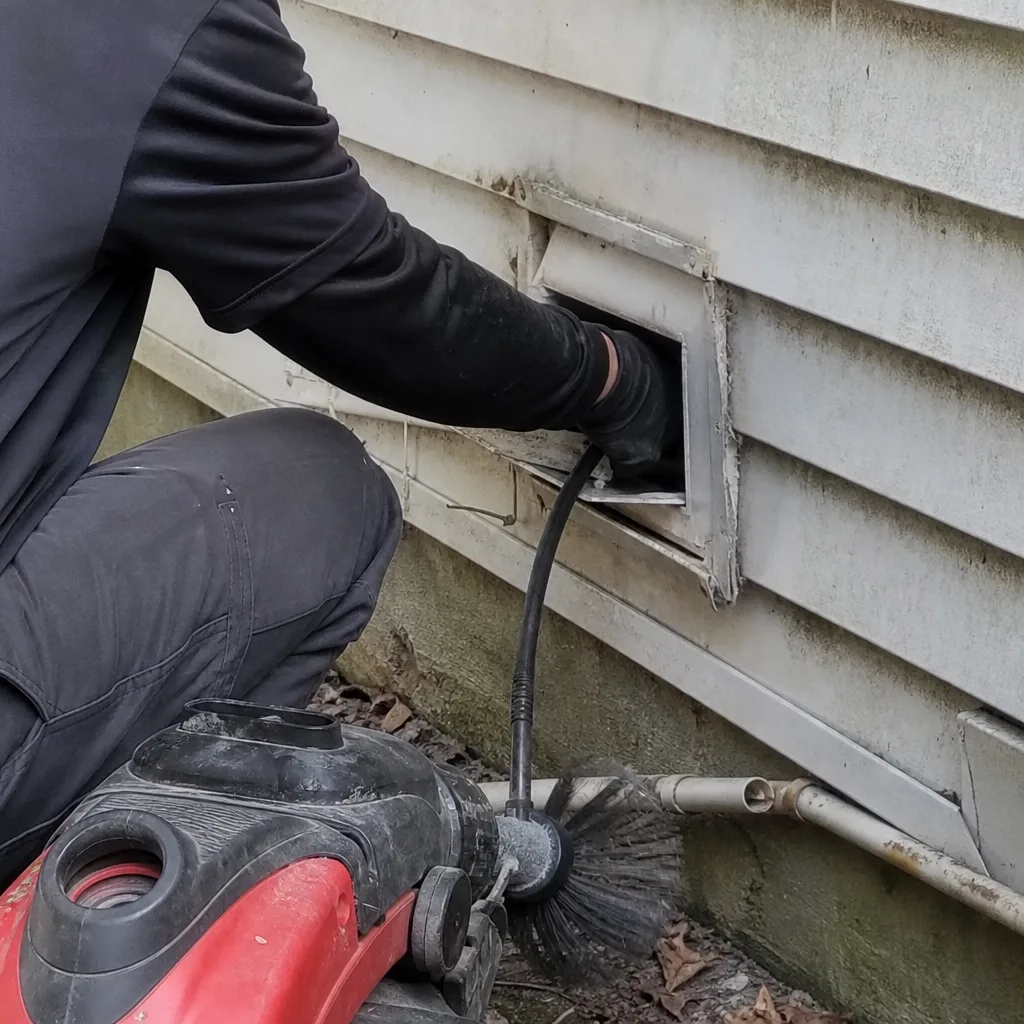 Before
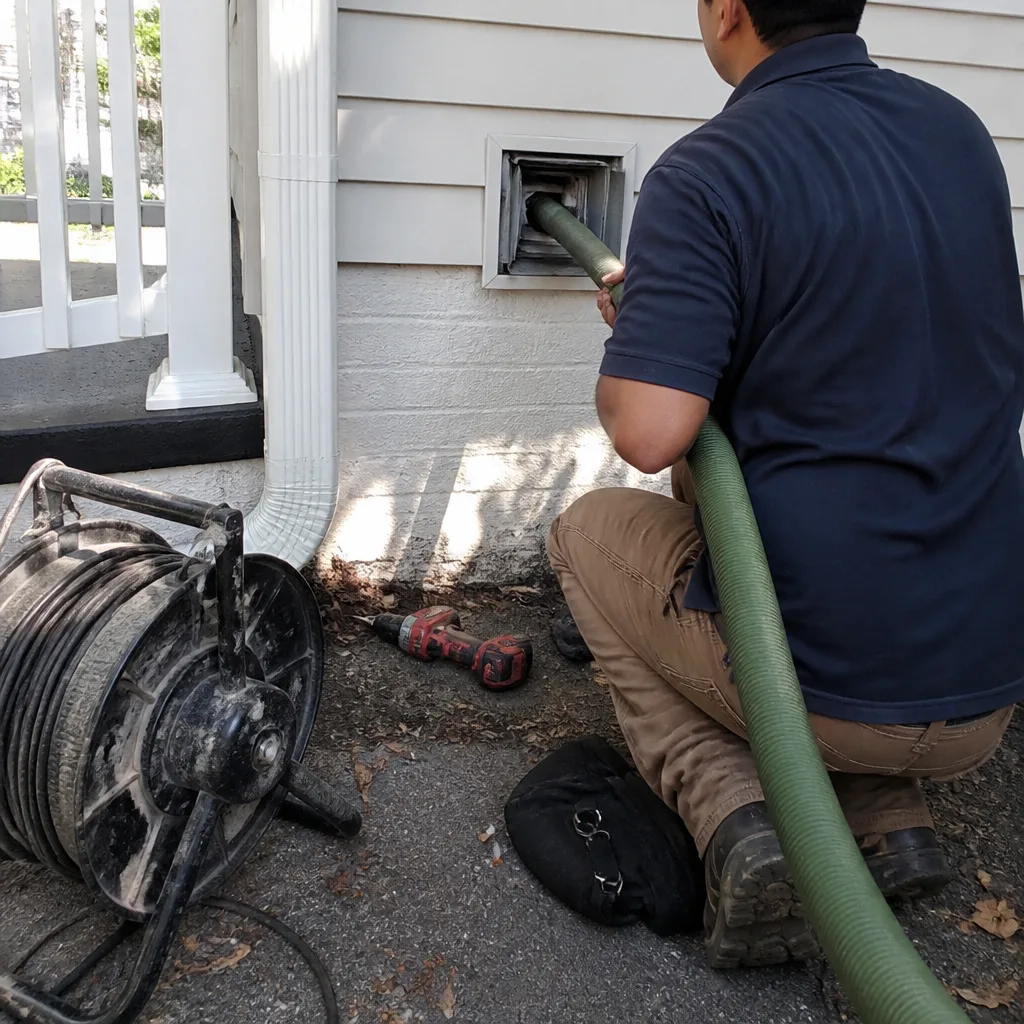 After
After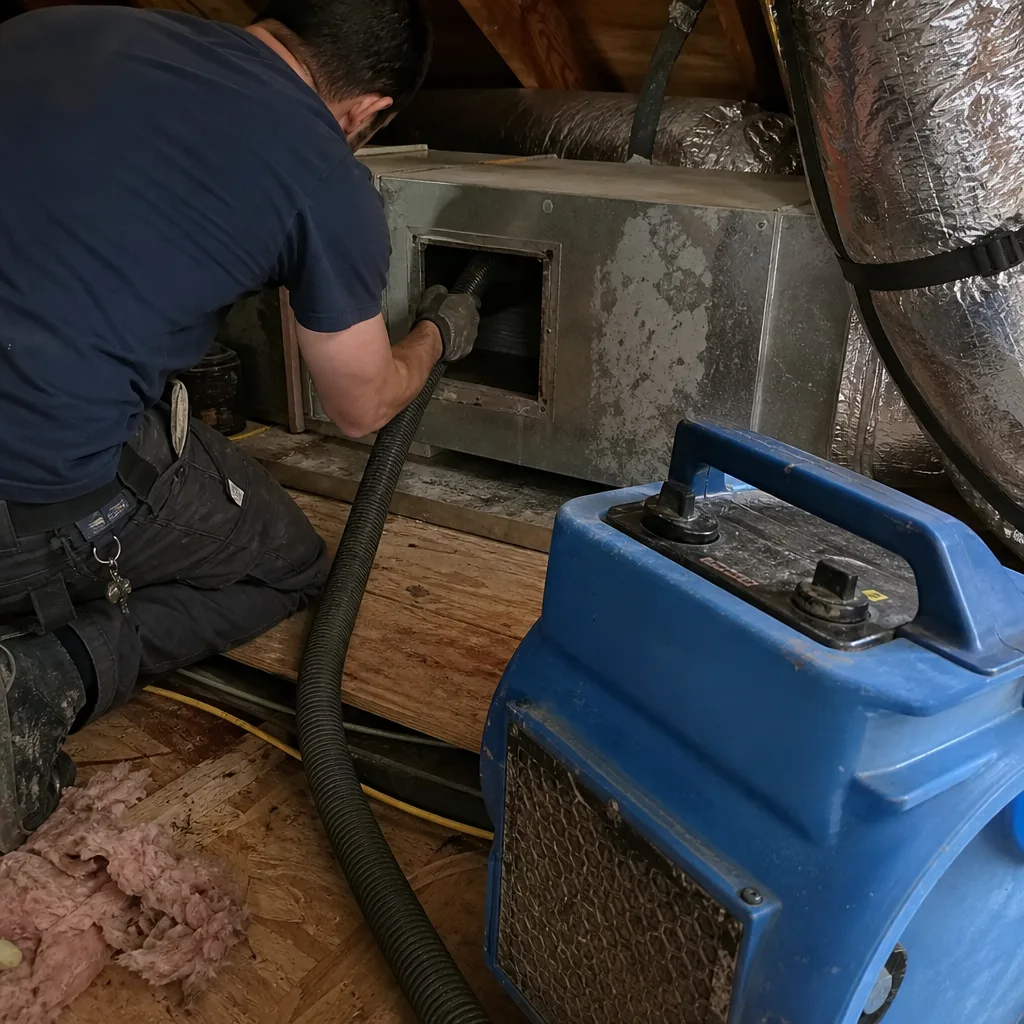 Before
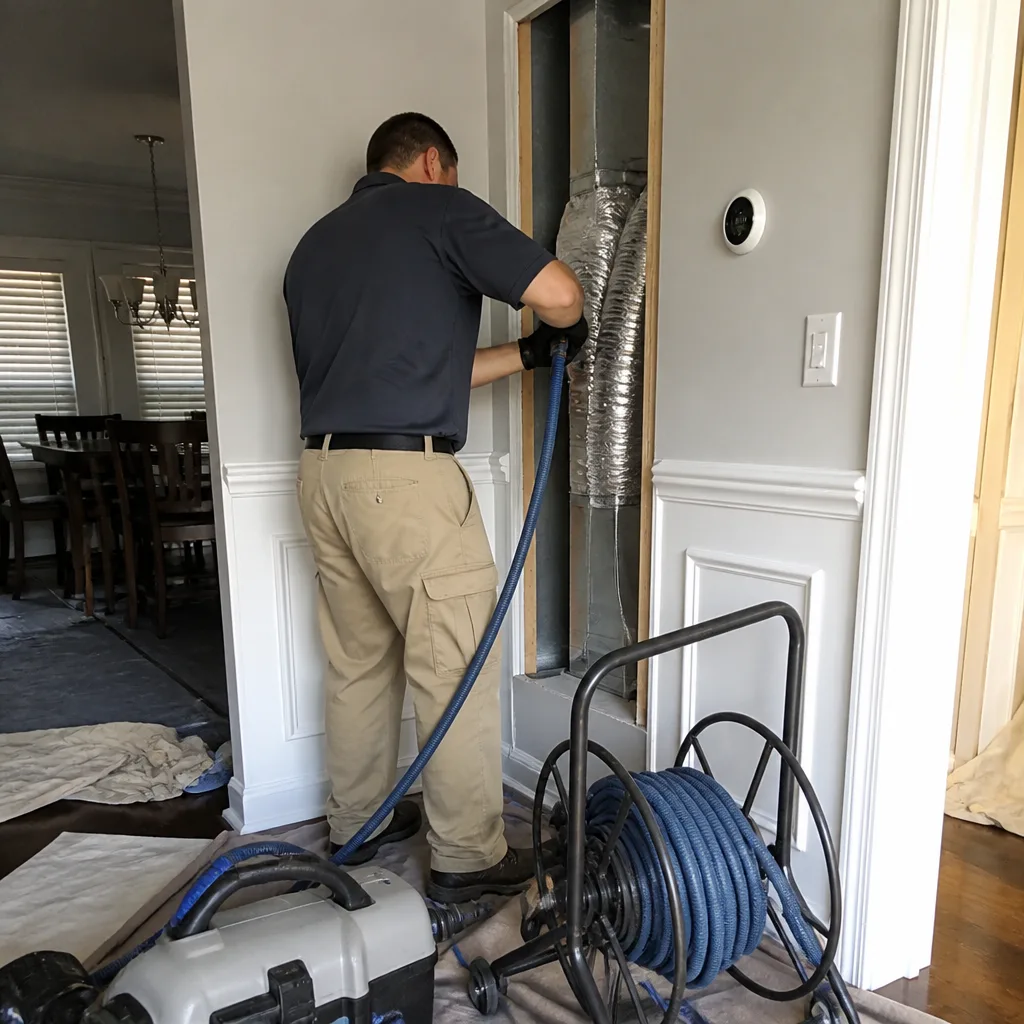 After
After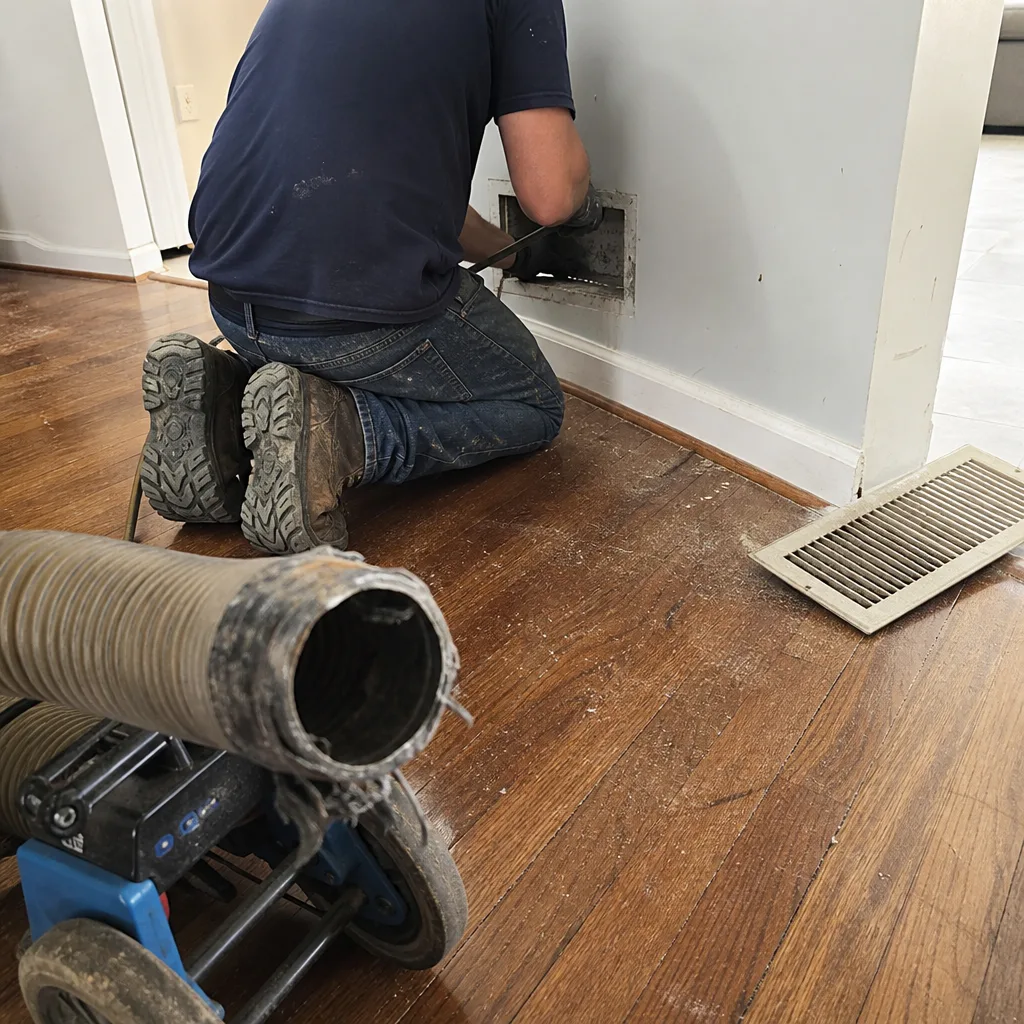 Before
 After
AfterReplacement Cost & What’s Included
For a standard Nikro duct sealing and repair job in Alpharetta, here’s what we quote:
- Single-joint repair or small section re-seal: $140 to $220. This covers one problem connection, typically a separated flex duct at a takeoff, sealed with mastic and foil tape, materials included.
- Multiple joints and moderate leak areas: $260 to $420. The most common scope: several takeoffs, a plenum seam, and one return-side leak, sealed properly in one visit.
- Whole-system duct sealing: $480 to $680. Every accessible joint, seam, and connection in the system, checked and sealed, which is the job that actually fixes a dust and balancing problem in an older Alpharetta home.
Those numbers include parts, labor, and the mastic and tape. They are the price we write down before any work starts. What drives the range is access: if your attic has standing room and the ducts are reachable, you’re on the lower end. If the runs are buried under blown insulation, in a crawlspace, or pinched in a tight corner of a second-story roofline, the labor goes up because the work is slower. Every sealing job we do is covered by the 365-Day Done Right Promise: if a sealed joint fails within a year, we come back and fix it at no charge. That includes a free second visit, and it’s in writing on every job.
DIY or Call Us?
What you can safely check yourself: the visible connections at the registers, the plenum, and any duct runs in an accessible attic. If you see a visible gap or peeling tape, you’ve confirmed a problem, and you can decide whether to address it yourself or call us. What we’d caution against: sealing work in crawlspaces, tight attics with limited footing, or anywhere near gas-fired equipment. Those environments require a trained eye, proper sealing technique, and the right safety gear. A duct sealing mistake in an attic doesn’t hurt anyone, but a fall through a ceiling does, and a poorly sealed return can draw combustion gases back into the living space. If you’re not certain what you’re looking at, call us at (762) 769-7145. We’ll tell you over the phone whether it’s worth a visit, and if it is, the estimate is free.
FAQs
A properly applied mastic-and-foil-tape seal on a Nikro system lasts 10 to 15 years in most Alpharetta homes, with the main variable being attic temperature and whether the original duct jacket was compromised. In unconditioned attics, expect the shorter end of that range and plan for a re-seal at that point.
Most leaks we see are repairable without replacing ductwork. The exceptions are when the duct jacket itself is torn, collapsed, or saturated from condensation, at which point a section replacement is the honest fix. We’ll tell you which one you’re dealing with before any work starts.
A single-joint repair takes 45 minutes to an hour once we’re set up. A whole-system sealing job on an average Alpharetta two-story typically runs 3 to 5 hours, including the post-seal pressure check and site cleanup.
Yes. We carry mastic, foil-faced tape, takeoff collars, and flex duct sections in the most common Nikro sizes, along with parts for Lennox, Trane, and Carrier systems. If your job needs something we don’t have, we order it and come back, and we tell you that before you pay anything.
If you’ve got a Nikro duct run that’s leaking in Alpharetta, call us at (762) 769-7145 for a free estimate. We’ll give you a written price, a straight answer on what’s failing, and a job done by the Garrison Standard: arrive inside the window, price in writing, site left clean. Clean ducts don’t announce themselves – you just breathe better and the filter stays cleaner longer.
Written by Roy Castellanos, Owner, Hollis Air Duct Alpharetta at Hollis Air Duct Alpharetta, serving Alpharetta and nearby areas.