
Last updated October 15, 2026
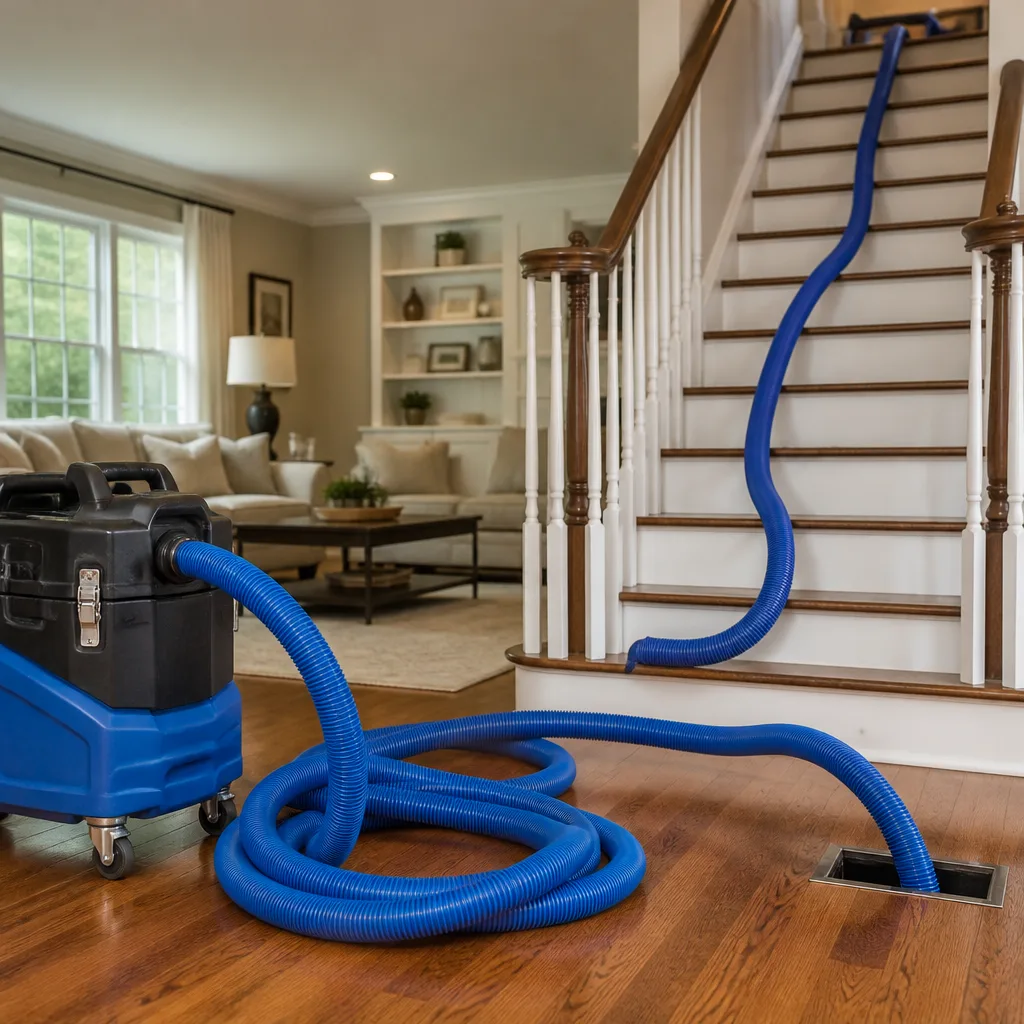 Whole-home duct cleaning
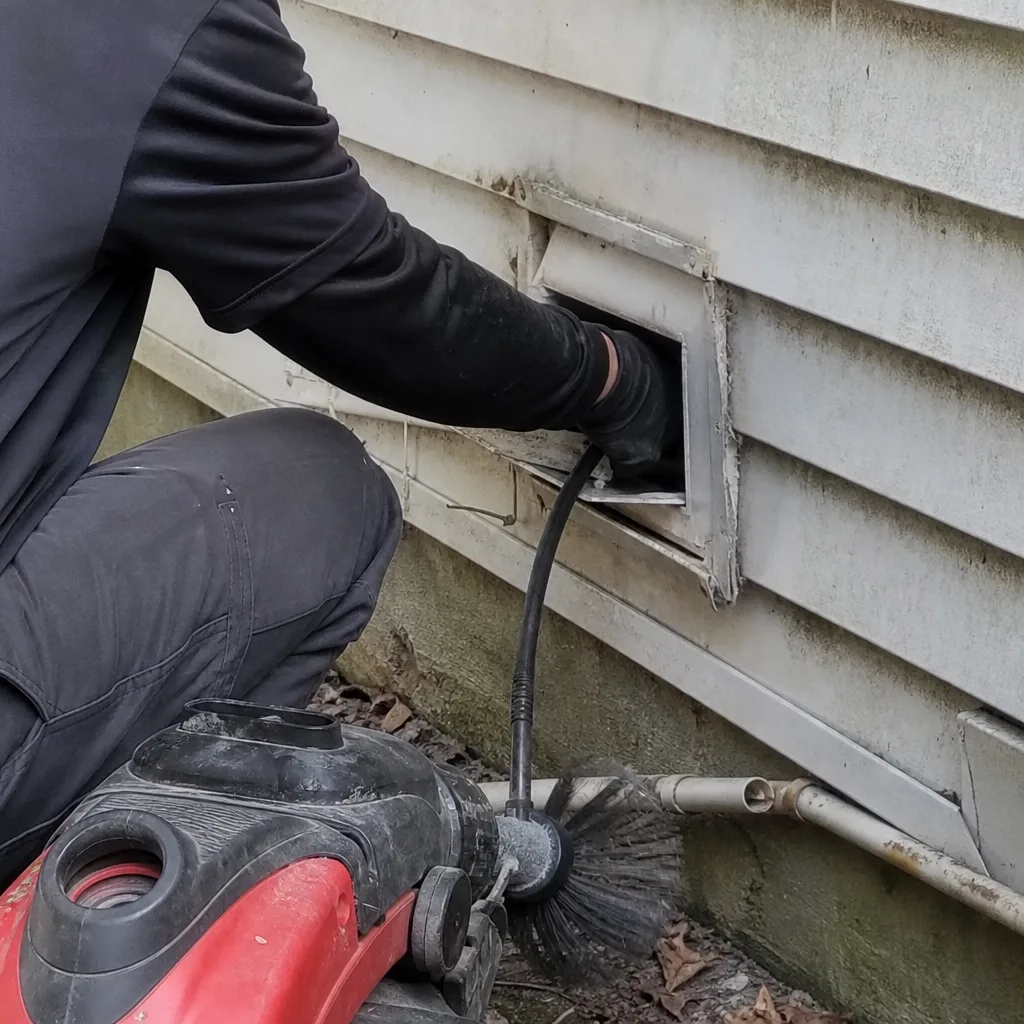
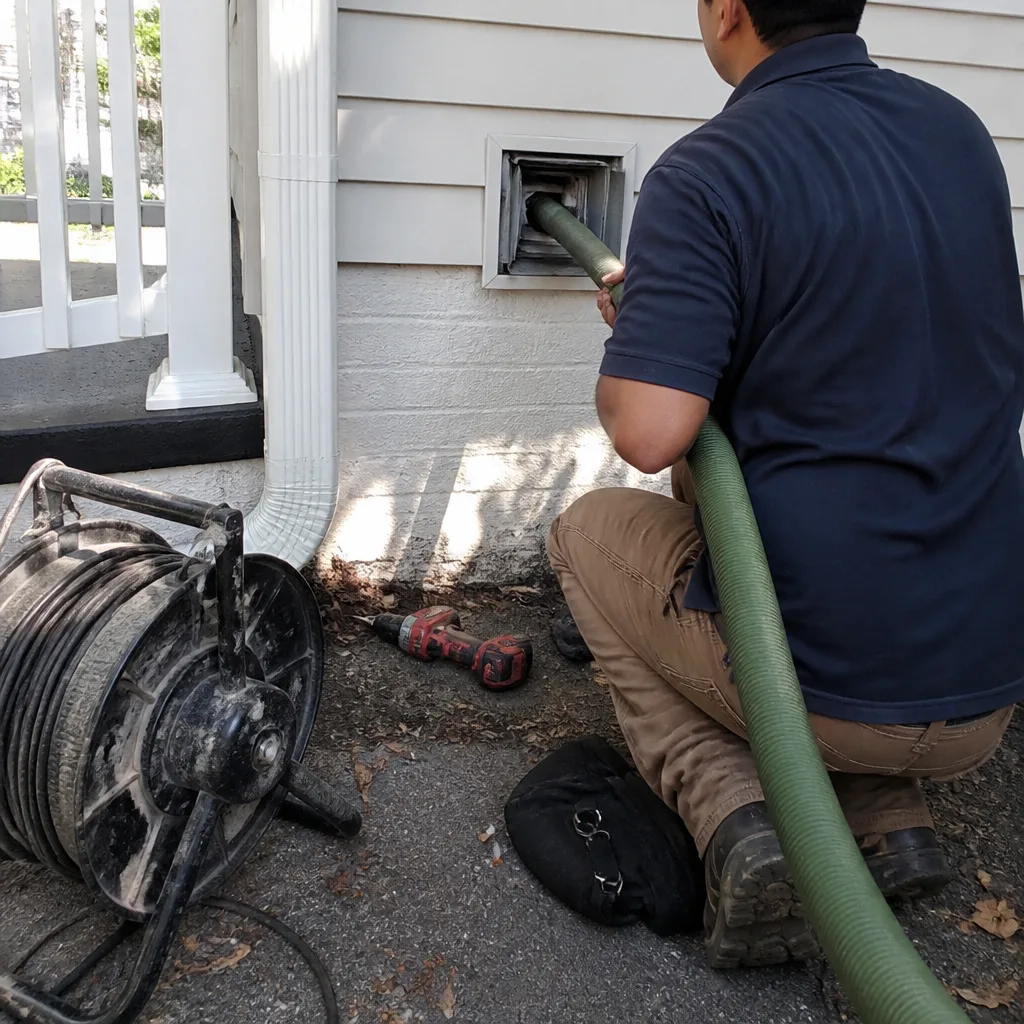
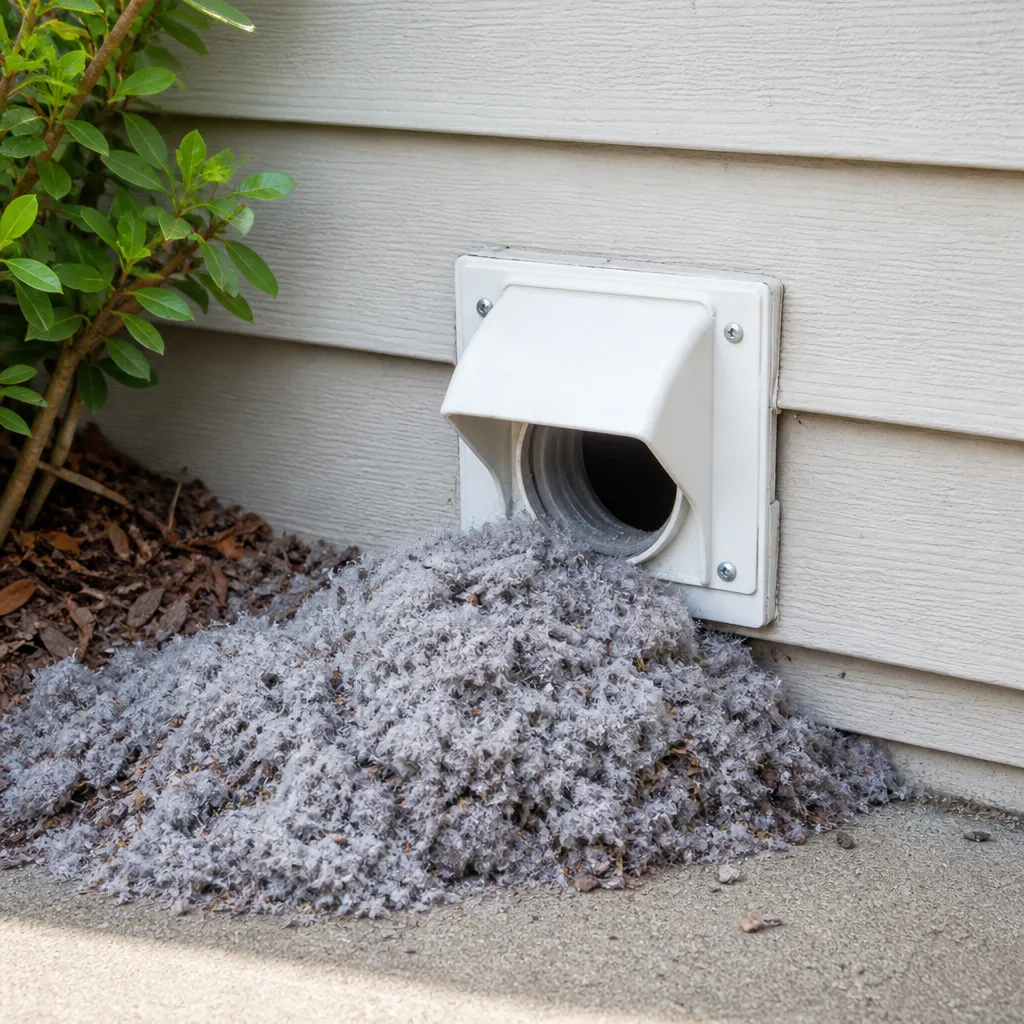 Dryer vent cleaning
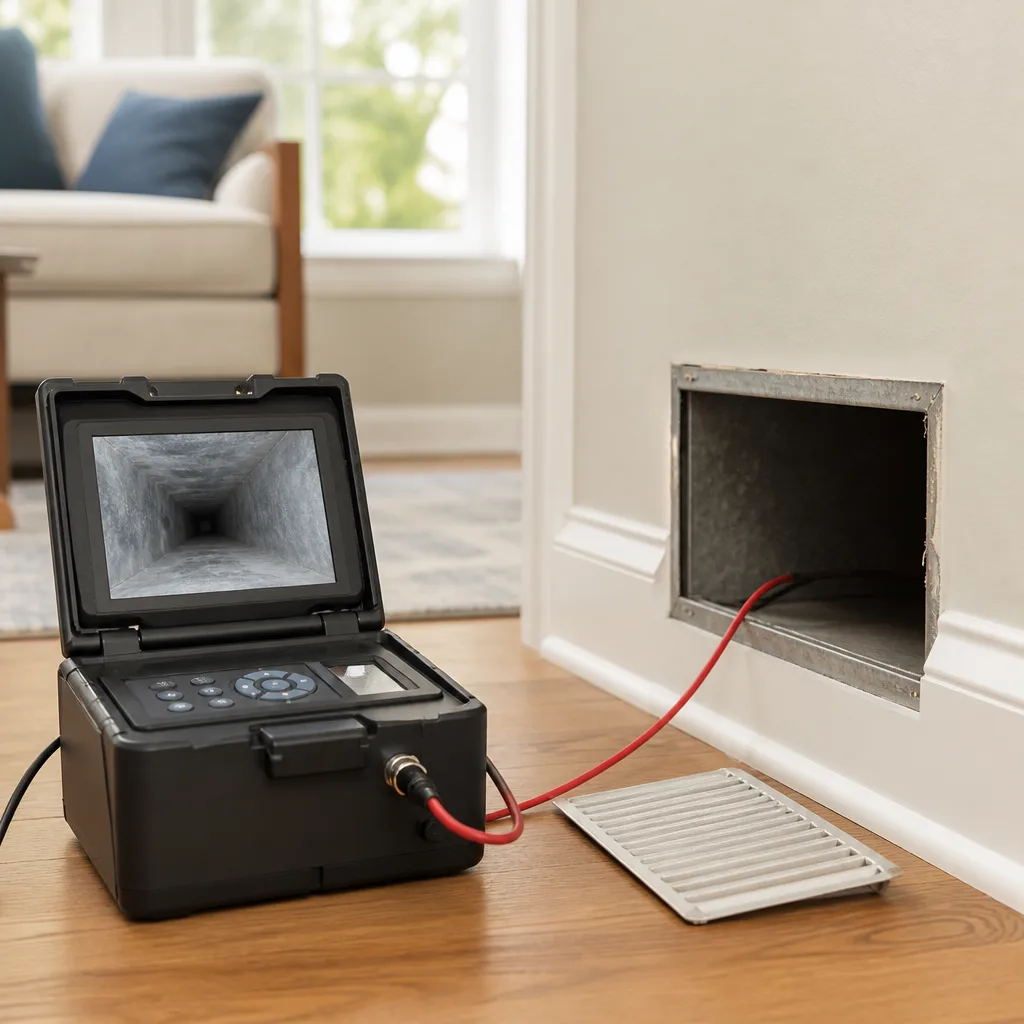 Camera inspection
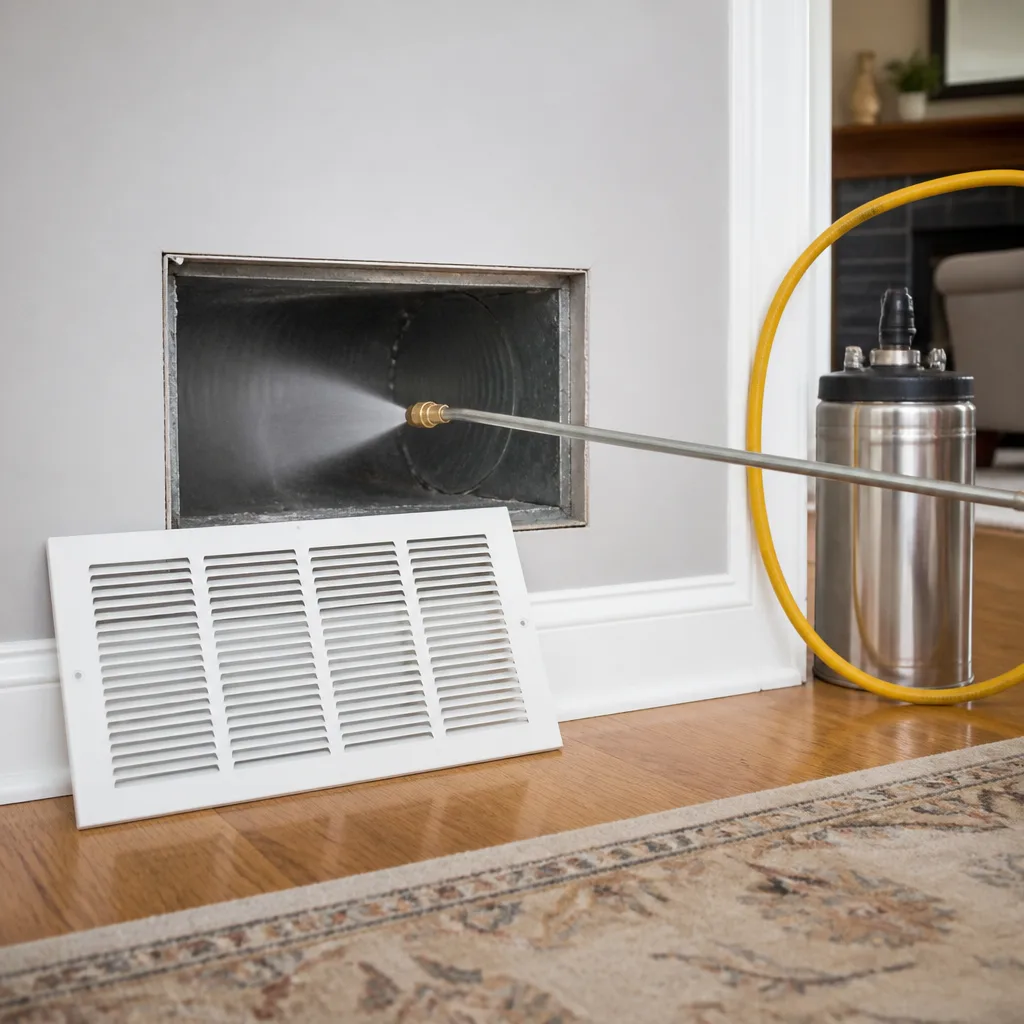 Sanitizing & deodorizing
Whole-system duct and dryer vent check with before-and-after photos - you see exactly what came out of your vents
That "$99 whole-house special" is a bait ad - the real number appears once they are in your hallway, or the "clean" is a shop-vac at the register. We photograph the inside of your ducts before and after instead.
DIY vs Professional Air Duct Cleaning: The Alpharetta Homeowner’s Decision Guide
A standard shop vac pulls somewhere between 60 and 80 cubic feet per minute of air. A truck-mounted negative-pressure duct cleaning system pulls 10,000 to 15,000 CFM. That gap, more than any other single number, explains why do-it-yourself duct cleaning in Alpharetta so often leaves a homeowner with more dust on the furniture 48 hours later than they had before they started. This guide gives you the measurement, the honest limits of DIY work, and a decision framework that tells you when homeowner maintenance is enough and when it actively makes the problem worse.
Quick Answer
DIY air duct cleaning can legitimately handle registers, grilles, accessible boots, and filter replacement, but it cannot generate the negative pressure needed to extract contamination from the full duct system. For most Alpharetta homes, the right approach is a homeowner maintenance routine between our Air Duct Cleaning services, not one instead of the other. If your last professional cleaning was more than three years ago, or you’ve had renovations or a moisture event, DIY will not solve the underlying problem.
Styles & brands we work with
Table of Contents
- The CFM Gap: Why Equipment Capability Decides the Outcome
- What DIY Can Legitimately Accomplish
- What a Professional Cleaning Produces That DIY Cannot
- Alpharetta-Specific Factors: Pollen, Humidity, and Renovation Dust
- The Decision Framework: DIY Maintenance vs Professional Cleaning
- The Homeowner Maintenance Routine, Step by Step
- What Air Duct Cleaning Costs in Alpharetta
- Common Mistakes to Avoid
- When to Call a Professional
- Frequently Asked Questions
We’ve been cleaning air ducts in Alpharetta since 2004, and we answer the DIY question honestly because homeowners who understand the physics make better decisions. This guide is written from that perspective: what works, what doesn’t, and how to tell the difference before you spend either money or a Saturday. For more guides & resources, explore our blog.
The CFM Gap: Why Equipment Capability Decides the Outcome
The core question in duct cleaning isn’t “Can you operate a vacuum?” It’s “Can your equipment create enough negative pressure to pull loosened debris out of the duct system?” In residential duct cleaning, contamination doesn’t just sit in the ducts; it clings to the interior surfaces, works into seams and joints, and accumulates in the deepest reaches of return trunks and supply plenums. To remove it, you need two things working together: contact agitation to dislodge the debris, and sustained negative pressure strong enough to carry it out of the system and into a collection device.
A shop vac generates roughly 60-80 CFM. That’s enough to clean a visible area near a floor register, but it cannot pull air through 30 or 40 feet of duct, around bends, and through the reduced-diameter branch runs that serve individual rooms. When a homeowner inserts a shop vac hose into a floor register, the vacuum creates local suction at the opening only. The debris in the rest of the run stays put. Worse, the agitation from DIY tools like a chimney brush or a dryer vent brush on a drill loosens particulate that the shop vac cannot extract. That loosened dust then re-settles throughout the system, and the normal operation of the HVAC blower pushes it into the living space. That’s the dust-on-surfaces phenomenon homeowners report after DIY attempts.
A truck-mounted negative-air system operates at 10,000-15,000 CFM. That’s not a “bigger shop vac.” It’s a different category of machine. At that airflow, the system creates negative pressure throughout the entire duct network, often aided by a sealed hatch cut into the supply plenum and a blower assembly that pulls air continuously while agitation tools work inside the ducts. The debris has nowhere to go but out, because the air is moving toward the collection point faster than gravity or static cling can hold it in place. Equipment from manufacturers like Rotobrush and Nikro pairs rotary brushes and compressed-air agitation with negative-air extraction, which is why professional crews use them rather than hardware-store gear.
The measurement is the point. Before you decide whether DIY is worth it, ask yourself what CFM your tools can actually pull, and then look at the square footage of duct you’re trying to clean. If the answer doesn’t match the job, the job will not get done.
How Negative Pressure Works in Plain English
Negative pressure means the air pressure inside the ducts is lower than the air pressure outside them. Air moves from high pressure to low pressure, so when you create strong enough negative pressure inside a duct, outside air rushes in to fill the void, carrying debris with it toward the collection point. A shop vac creates localized negative pressure at the hose tip. A truck-mounted system creates negative pressure throughout the entire duct network, because the blower is pulling more air than the system can naturally supply through leaks and gaps. That’s the difference between cleaning a spot and cleaning a system.
What DIY Can Legitimately Accomplish
We’re not going to tell you that DIY duct work is useless. That would be dishonest, and it would mislead homeowners in Alpharetta who can genuinely improve their indoor air with a few hours of careful work. Here’s what a homeowner with basic tools can actually accomplish, done well:
- Register and grille cleaning: Remove floor registers, wall registers, and return grilles. Vacuum them thoroughly, then wash them in warm soapy water. Let them dry completely before reinstalling. This removes the visible accumulation that affects airflow and becomes a dust source.
- Accessible boot cleaning: The boot is the metal box where the duct meets the floor or wall register. With the register removed, you can often reach several inches into the boot with a vacuum hose. Use a damp cloth for the interior surfaces you can see and touch. Do not force tools deeper than you can see; the duct run beyond the boot is where the shop vac’s limits become a liability.
- Filter replacement: This is the highest-impact DIY task in any HVAC system. In Alpharetta, the pollen season runs from late February through May, and a filter that would last 90 days in a milder climate can clog in 30. Check your filter monthly during peak pollen months. Use filters rated MERV 8-13 for a good balance of filtration and airflow. Write the install date on the filter frame with a permanent marker.
- Visual inspection: Remove a few registers and use a flashlight to look inside. If you see grey dust, pet hair, or what looks like dryer lint packed against the duct surfaces, that’s a sign that professional cleaning would help. If you see dark staining or what looks like moisture damage, that’s a different conversation entirely, and it needs professional attention.
- Supply and return plenum wiping (where accessible): Some homes in Alpharetta have the air handler in a closet or basement with the supply plenum visible. Wiping the accessible interior surfaces with a damp cloth removes the debris that would otherwise circulate. Do this with the system off, and be careful around any wiring or coils.
Do these tasks well and you’ll notice the difference in visible dust and airflow within days. But understand the limit: you’re cleaning the entry and exit points of the duct system, not the system itself. The interior duct surfaces beyond arm’s reach remain untouched.
What a Professional Cleaning Produces That DIY Cannot
When we clean ducts for a homeowner in Alpharetta, we’re not just doing the same tasks with bigger tools. We’re producing four outcomes that consumer-grade equipment cannot achieve, and each one changes the air in the home in a measurable way.
1. Verified Negative Pressure Throughout the Entire System
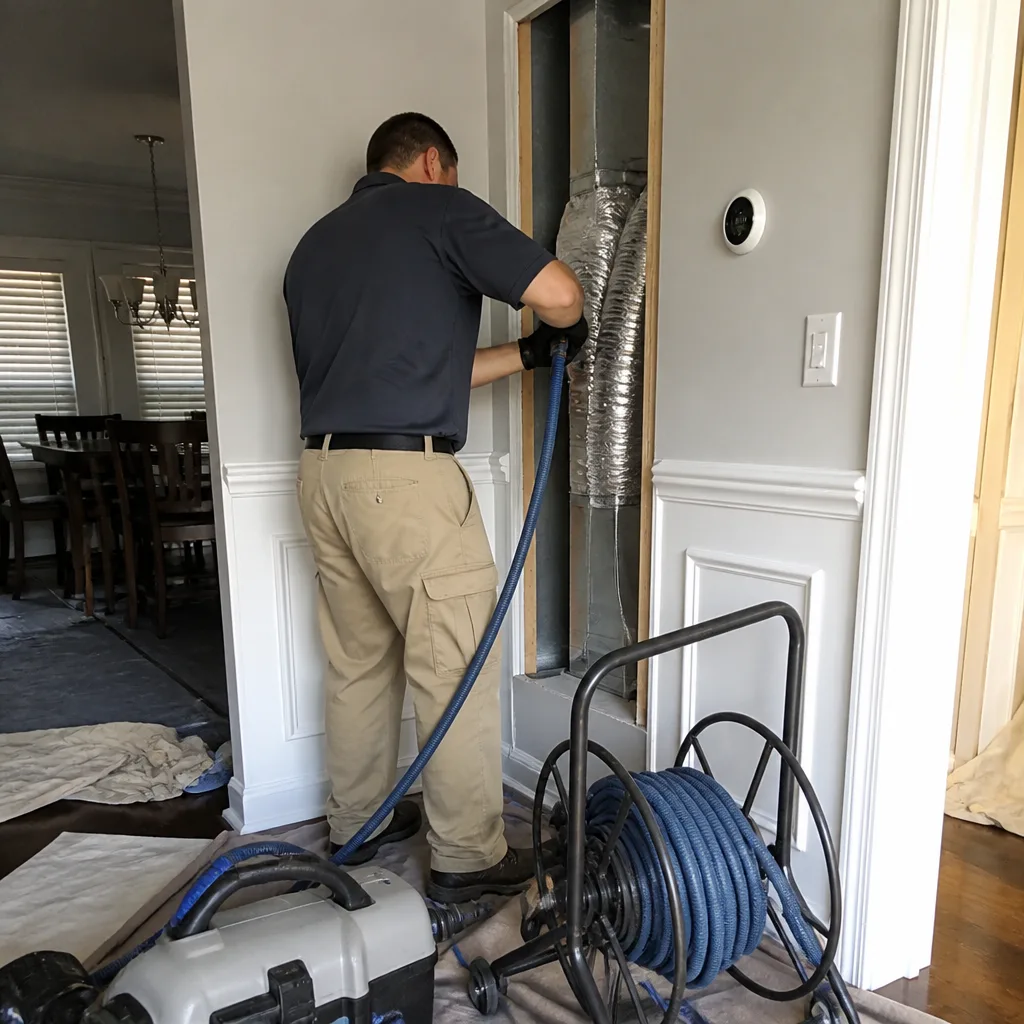
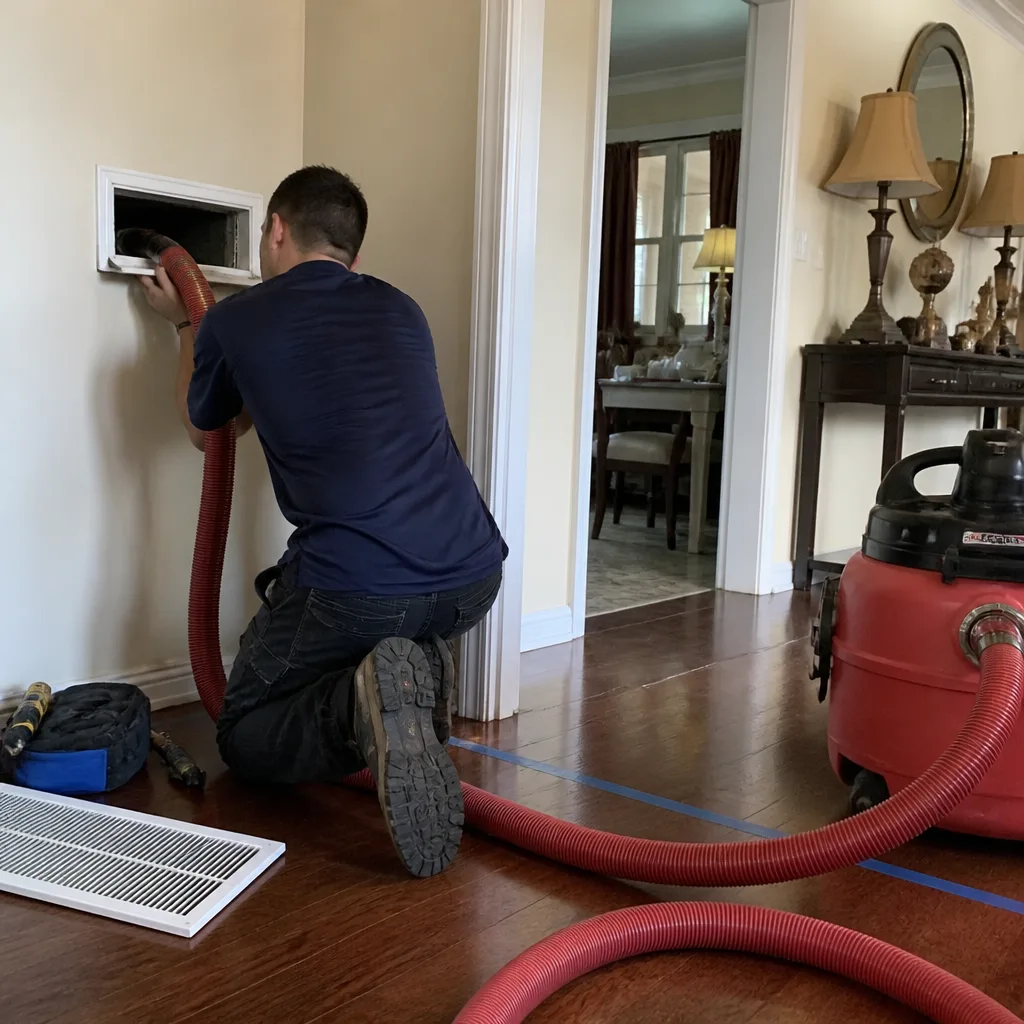
The truck-mounted unit we operate pulls enough airflow to hold the entire duct network under negative pressure while we work. We seal the supply and return side at the equipment, connect the negative-air machine, and then verify that airflow is moving the direction it should. The debris we agitate with rotary brushes doesn’t settle elsewhere in the system because the air is moving toward the extraction point at 10,000+ CFM the entire time. That’s a physical condition, not a claim, and it’s verifiable with a manometer or differential pressure gauge.
2. Contact Cleaning of Interior Duct Surfaces
A rotary brush system physically scrubs the interior duct walls, breaking the adhesion that holds fine dust and lint against the metal or flex duct surfaces. The brush reaches the full length of each run, steered through the duct network by a technician who can feel the brush navigating the turns. Compressed air from a Nikro air-whip system provides additional agitation in distal runs and flat trunk lines. This contact cleaning is what removes the accumulated deposition that a shop vac never touches.
3. Post-Clean Airflow Confirmation
After the cleaning, we run the system and confirm airflow at the registers. This isn’t a complicated measurement; it’s a return to baseline. But for an Alpharetta homeowner whose second-floor bedrooms have been running warm all summer, that confirmation matters. When a partial blockage in a branch run gets cleared, the difference in room temperature can be several degrees. That’s a real, noticeable outcome.
4. A Written Record of What Was Done
We put the scope of work in writing before we start, and the price in writing too. After the job, the homeowner knows what was cleaned, what condition the system was in, and what the guarantee covers. That’s part of the 365-Day Done Right Promise that comes with every job: if the work fails within a year, we come back and make it right at no charge, including a free second visit. DIY doesn’t come with a written promise, because there’s no one to hold accountable but yourself.
Alpharetta-Specific Factors: Pollen, Humidity, and Renovation Dust
Alpharetta’s climate and housing stock create conditions that change the DIY calculation. The pollen load here is among the highest in the country. From late February through May, pine pollen settles as a yellow film on every horizontal surface, including the air intake grilles and outdoor HVAC units. That pollen enters the duct system through the return air stream, especially in older homes with leaky return ducts in unconditioned spaces.
Humidity is the second factor. Alpharetta’s summer dew points stay in the upper 60s and low 70s for weeks at a time. When humid outside air leaks into return ducts, it carries moisture into the system, and that moisture binds dust and pollen to interior duct surfaces. The result is a sticky, packed deposition that a shop vac cannot pull off the duct walls. It requires contact agitation, which is exactly what consumer tools can’t deliver in the middle of a duct run.
Renovation dust is the third factor, and we see it constantly in Alpharetta’s established neighborhoods like Windward, Crabapple, and the older homes along Rucker Road and Canton Street. When a homeowner renovates a kitchen or finishes a basement, drywall dust and sawdust enter the return air stream and distribute throughout the duct system. That fine powder settles into every low-velocity section of the ductwork, and it stays there until it either gets redistributed into the living space or gets extracted. Drywall dust is especially deceptive because it’s fine enough to pass through most filters and it re-enters the air column with the slightest disturbance. If you’ve had any kind of renovation in the last two years, your ducts almost certainly contain construction dust that DIY cannot remove.
Here’s the cost angle that matters in this market: older Alpharetta homes, built before the 1990s, often have undersized return ductwork and long, winding supply runs. Those systems accumulate debris faster and respond more dramatically to cleaning. Newer construction in developments like Halcyon or Avalon tends to have shorter, straighter runs with better filtration, which means they may need less frequent professional attention. The age and layout of the home matters as much as the cleanliness habits of the occupants.
The Decision Framework: DIY Maintenance vs Professional Cleaning
Here’s the framework we recommend to Alpharetta homeowners, based on what we’ve seen in the field since 2004. It considers the science, the climate, and the practical reality of what a homeowner can reasonably maintain.
If your last professional cleaning was under three years ago, and you’ve had no renovations, no moisture events, and no notable increase in dust or allergy symptoms: a homeowner maintenance routine is likely sufficient. Follow the routine below. Check your filters monthly during pollen season. Reassess annually.
If your last professional cleaning was three to seven years ago: schedule a professional cleaning. The accumulation in that window, especially with Alpharetta pollen and humidity, is enough to measurably affect indoor air quality and system efficiency. The cost of the cleaning is typically less than the efficiency loss and filter consumption over the same period.
If your last professional cleaning was more than seven years ago, or you don’t know if it’s ever been done: schedule a professional cleaning before you do anything else. The system is operating with its filtration capacity compromised, and regardless of register cleaning, the interior surfaces are carrying years of deposition. This is the scenario where DIY attempts most often backfire, because disturbing that accumulation without extraction capability sends it into the living space.
If you’ve had a renovation in the last 24 months: schedule a professional cleaning, even if the system was cleaned recently. Drywall dust travels throughout the entire duct network, and it doesn’t get captured by a standard filter. We see this in Alpharetta constantly; the homeowner had the ducts cleaned, renovated the kitchen, and within a month the registers are showing fine white powder again.
If you’ve had a moisture event, a roof leak, or visible mold growth: stop reading and call a professional. This is not a cleaning question. Moisture in a duct system creates conditions for microbial growth, and the remediation protocol is different from routine cleaning. Do not attempt to clean visible mold with household products; you’ll distribute spores throughout the home.
Air duct cleaning in Alpharetta is one of those services where the difference between a maintenance cycle and a remediation issue isn’t always obvious from the living room. When in doubt, get eyes in the ducts. Many companies, including ours, can scope the system and tell you what’s actually in there before you commit to anything.
The Homeowner Maintenance Routine, Step by Step
Between professional cleanings, here’s the routine we recommend for Alpharetta homeowners. Do this every six months, or quarterly if you have pets or live in a high-pollen neighborhood near the wooded corridors around Big Creek or Wills Park.
- Turn off the HVAC system at the thermostat. You want no air moving through the ducts while you work. Air movement during cleaning redistributes whatever you loosen.
- Remove every register and grille in the home. Floor registers, wall registers, return grilles. Count them and set them in a bucket of warm soapy water while you work.
- Vacuum the accessible boot openings. Use a crevice tool and work carefully around the opening. Reach as far as the tool allows. Do not force anything deeper than you can see.
- Wipe the visible boot surfaces with a damp microfiber cloth. The dampness captures dust rather than spreading it. Wring the cloth frequently. Do not leave standing water in the boot.
- Wash the registers and grilles. Use warm water and mild dish soap. A soft brush helps with the louvered surfaces. Rinse and dry completely before reinstalling.
- Inspect the filter. Hold it up to a light source. If you can’t see light through it, replace it. In Alpharetta pollen season, check monthly. Note the airflow arrow on the new filter and install it in the correct orientation.
- Wipe down the return grille area and surrounding wall. This prevents the immediate re-contamination of the filter face with dust that would get pulled in on the next cycle.
- Turn the system back on and run it for 15 minutes. Listen for airflow changes, check registers for steady output, and note any rooms that seem weak. Weak airflow after cleaning often indicates a deeper restriction.
This routine keeps the visible portions of the system clean and extends the life of your filtration. It does not clean the ducts. Understanding that line is the difference between effective maintenance and a false sense of security.
For the duct interiors themselves, the equipment matters more than the effort. A duct sealing service in Alpharetta is a different intervention entirely, but it’s worth mentioning here: if your ducts are leaking at the joints and seams, you’re pulling unfiltered attic or crawlspace air into the system, and no amount of cleaning will fix the contamination source.
What Air Duct Cleaning Costs in Alpharetta
You should know the numbers before you decide anything. In the Alpharetta market, professional air duct cleaning for a typical single-family home runs between $450 and $900 for the full system. The range depends on the number of systems (single vs dual-zone), the number of supply runs, the length of the trunk lines, and the degree of contamination.
Here’s a realistic breakdown for the Alpharetta market:
- Single-system home, up to 10 supply runs: $450-$600. This covers most 2,500-3,500 square foot homes in the established neighborhoods.
- Single-system home, 10-15 supply runs, or two-story with long trunk lines: $600-$800. Common in Windward, Crabapple, and older custom homes.
- Dual-system home (separate units for upstairs and downstairs): $800-$1,100. Larger newer construction, including many homes in the Halcyon and Avalon areas.
- Heavy contamination, renovation dust, or pet hair accumulation: Add $100-$300. This is a judgment call made after inspection, and it should be clearly explained before work begins.
- Dryer vent cleaning add-on: $100-$150. Dryer vent cleaning in Alpharetta is often bundled with duct cleaning, and for good reason: the lint that accumulates in dryer vents is a fire hazard, and the vent exits near the roofline where homeowners rarely inspect.
Full system pricing should be quoted in writing before work begins. Not a per-vent price, not a teaser number that changes once the technician arrives. The quote should specify what’s included, how long the job will take, and what the guarantee covers. At Hollis Air Duct Cleaning, the price on the written estimate is the price on the invoice. If the technician finds something unexpected, we stop and explain it before any additional work proceeds. That’s simply how the trade should operate.
The cheapest bids in Alpharetta are inexpensive for a reason. A $99 whole-house special means the company is either doing a surface-level job that won’t improve air quality, or they’re planning to upsell aggressively once they’re in the home. The equipment required to do this properly is expensive, and the labor is skilled. A price that doesn’t cover that cost means something is missing.
Common Mistakes to Avoid
- Using a leaf blower to “blow out” the ducts. This pressurizes the system and forces dust into the living space through every register and grille. If there’s one mistake we see more than any other, it’s this. The damage is immediate, visible, and difficult to undo.
- Inserting a rotating brush into a flex duct run. Flex duct has a thin inner liner that tears easily. A homeowner-grade brush on a drill can shred a flex run in seconds, and the repair costs more than the professional cleaning would have.
- Running the HVAC system while cleaning individual registers. The blower redistributes loosened debris to the farthest reaches of the system. Always clean with the air handler off.
- Using household cleaners or foggers inside the ducts. Chemical residues in the airflow can irritate airways for months. Nothing goes into a duct system that isn’t designed for duct use. There’s no DIY chemical treatment that improves a duct system.
- Ignoring the filter while obsessing over the ducts. In Alpharetta pollen season, a clogged filter restricts airflow and starves the system. The filter is the first line of defense. The ducts are secondary. Replace the filter before you spend money on anything else.
- DIY “cleaning” with a shop vac and a chimney brush, then declaring victory. If you can’t verify that the interior surfaces were actually contacted and the debris actually extracted, you’ve spent a Saturday redistributing dust rather than removing it. The honest assessment is that you don’t know what you accomplished.
- Falling for high-pressure upsells. Alpharetta homeowners should never accept a door-to-door duct cleaning pitch or a phone offer with a price that seems too good to be true. Those operators don’t have the equipment or the commitment to back up their claims in writing. Insist on a written quote that covers the entire system.
When to Call a Professional
Call a professional when any of these conditions apply: visible mold growth inside the ducts or on registers; a musty odor that persists after filter replacement; renovation within the last 24 months; a moisture event like a roof leak or supply line failure; unexplained dust accumulation within days of cleaning; visible debris on the blower or coil surfaces; or a home that has never been professionally cleaned and is more than five years old. These scenarios involve either contamination that DIY tools can’t remove or conditions that need diagnosis before cleaning. Hollis Air Duct Alpharetta offers free estimates to Alpharetta homeowners, with the price in writing before any work starts. Call (762) 769-7145.
Frequently Asked Questions
DIY work on registers, grilles, accessible boots, and filter replacement is worth doing and should be part of every Alpharetta homeowner’s routine. It improves visible cleanliness and extends filter life. It is not a substitute for professional duct cleaning, because consumer tools cannot generate the negative pressure required to extract debris from the full duct system. The right framing is routine DIY maintenance between professional cleanings, not one instead of the other.
Professional air duct cleaning in Alpharetta typically costs $450-$900 for a full single-family home, depending on system size, layout, and contamination level. Dual-system homes run $800-$1,100. The price should be quoted in writing before work begins, covering the entire system with no per-vent pricing. Call (762) 769-7145 for an exact quote on your Alpharetta home; estimates are free and the written price does not move at the door.
The dustier home after a DIY attempt happens because the cleaning loosened debris without extracting it. A shop vac’s 60-80 CFM cannot pull air through a full duct run, so particulate that was settled on interior surfaces gets dislodged by the DIY brush and then redistributed through the house when the HVAC system runs. Professional systems operate at 10,000-15,000 CFM, which holds the entire duct network under negative pressure and carries loosened debris out of the system instead of into the living space.
For most Alpharetta homes, professional duct cleaning every three to seven years is appropriate, with the interval depending on pets, renovation activity, and how consistently filters are changed during pollen season. Homes near the wooded corridors around Big Creek and Wills Park tend to accumulate faster due to pollen and humidity. If you’ve had renovations or a moisture event, schedule cleaning regardless of the calendar.
The negative-air method uses a high-powered blower to create negative pressure throughout the entire duct system while agitation tools dislodge debris from interior surfaces. The debris has nowhere to go but into the collection device, because the airflow is carrying it continuously toward extraction. Vacuuming creates suction only at the hose tip, which means it can clean what it can touch but cannot pull debris from the portions of the duct run beyond its reach. Negative-air is the industry-standard method for a reason; it’s measurable and complete in a way that point vacuuming is not.
You can rent some negative-air equipment, but the practical challenges make it a poor value for most homeowners. Professional duct cleaning requires sealing the supply and return at the equipment, cutting an access hatch in the plenum, operating rotary brush systems through the runs while maintaining negative pressure, and then patching and sealing the access point. The technique takes practice, and damage to flex duct is a real risk. Most rental machines are also significantly lower in CFM than truck-mounted units. The cost of rental plus the time spent plus the risk of damage usually exceeds the cost of hiring a qualified crew.
The Bottom Line
The DIY duct cleaning question resolves to a measurement: 60-80 CFM versus 10,000-15,000 CFM. One cleans the visible surfaces; the other extracts contamination from the entire system. Homeowner maintenance of registers, boots, and filters is genuinely useful and worth doing quarterly. Professional cleaning is the only way to verify negative pressure throughout the system, contact-clean the full length of the duct runs, confirm airflow restoration, and receive a written record of the work. In Alpharetta, where pollen and humidity combine to pack duct surfaces with sticky deposition, the interval between professional cleanings should land somewhere between three and seven years, shorter with pets or renovations. If you’re not sure where you stand, get eyes in the ducts. The answer is usually visible within the first few feet.
We’re Hollis Air Duct Cleaning, based in Alpharetta and serving the surrounding communities since 2004 as part of the Garrison Partners family. Our technicians are background-checked and uniformed, the price is in writing before any work starts, and every job carries the 365-Day Done Right Promise in writing. Call (762) 769-7145 for a free estimate, and we’ll scope the system and tell you what’s actually in there, with no obligation and no pressure.
Written by Roy Castellanos, Owner at Hollis Air Duct Alpharetta, serving Alpharetta since 2004.
See the difference
 Before
 After
After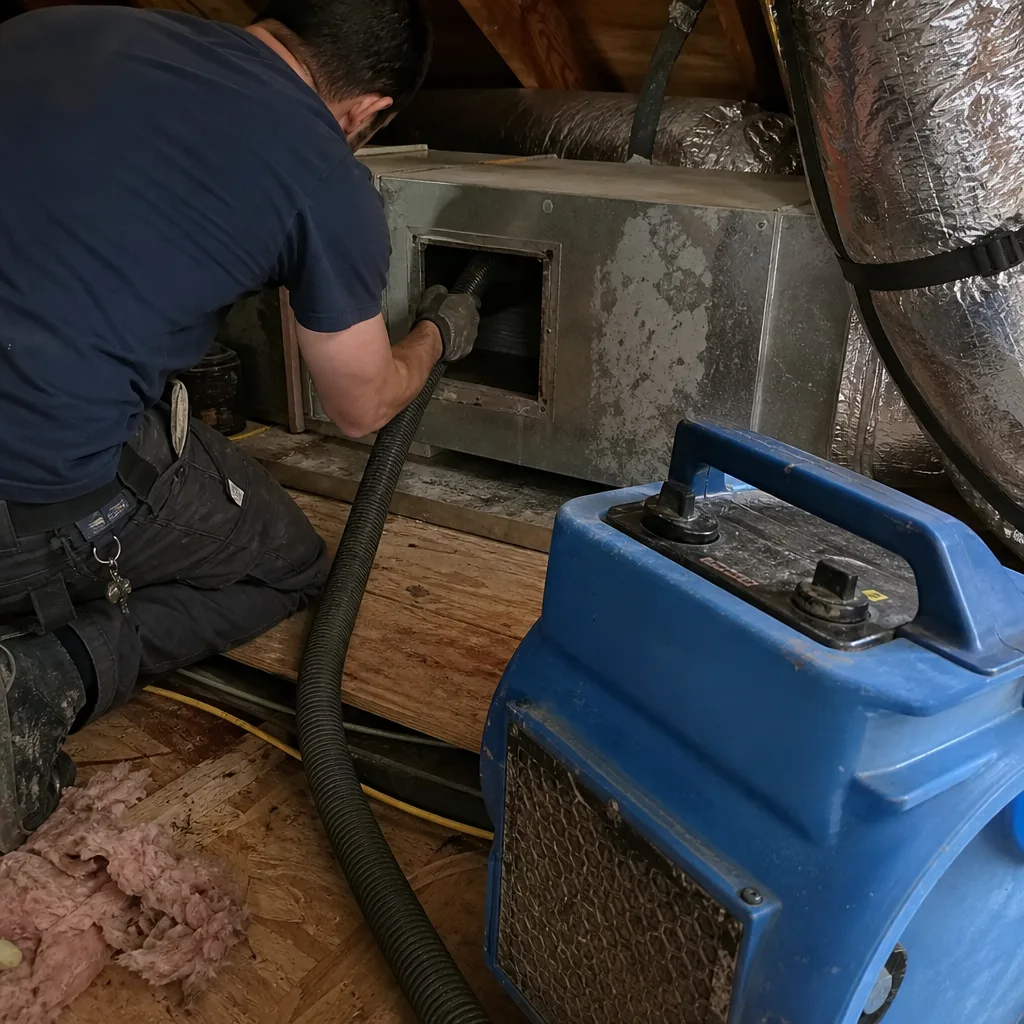 Before
 After
After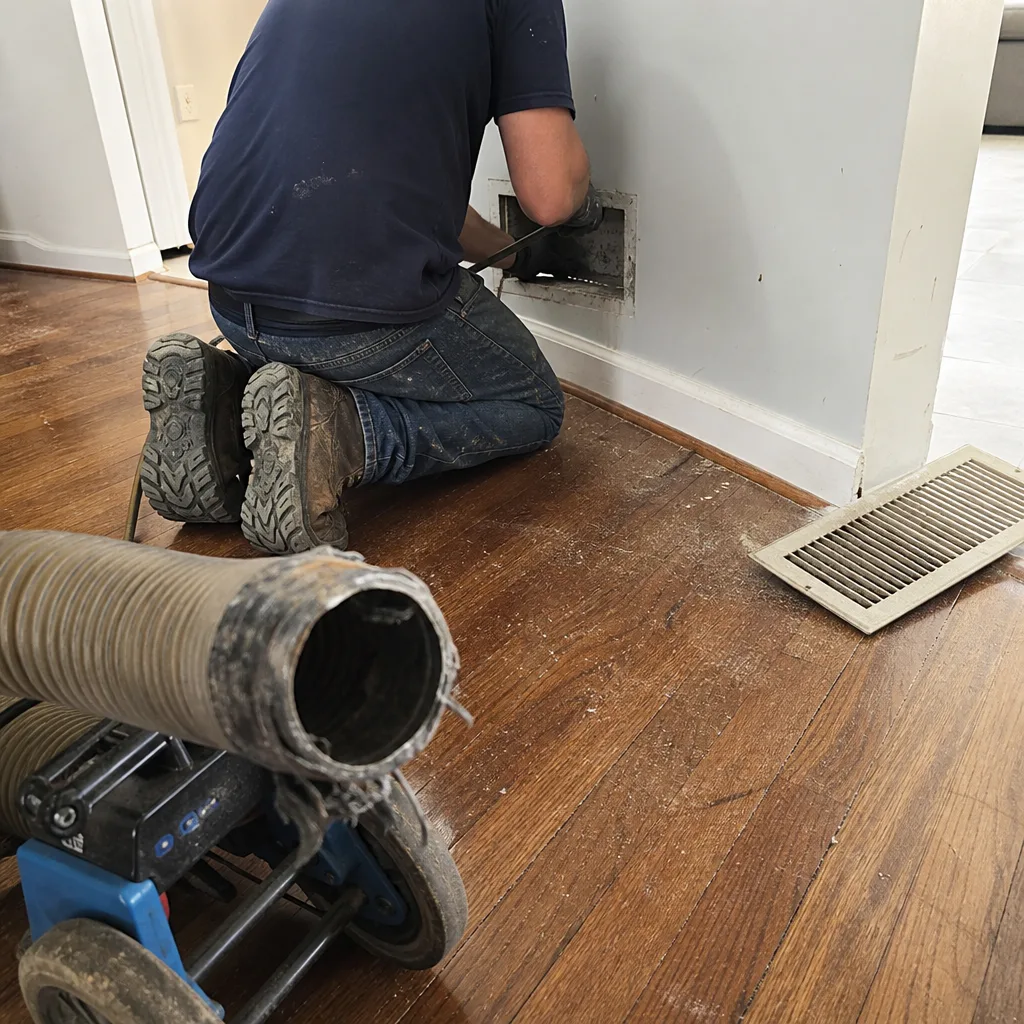 Before
 After
After