
Last updated October 15, 2026
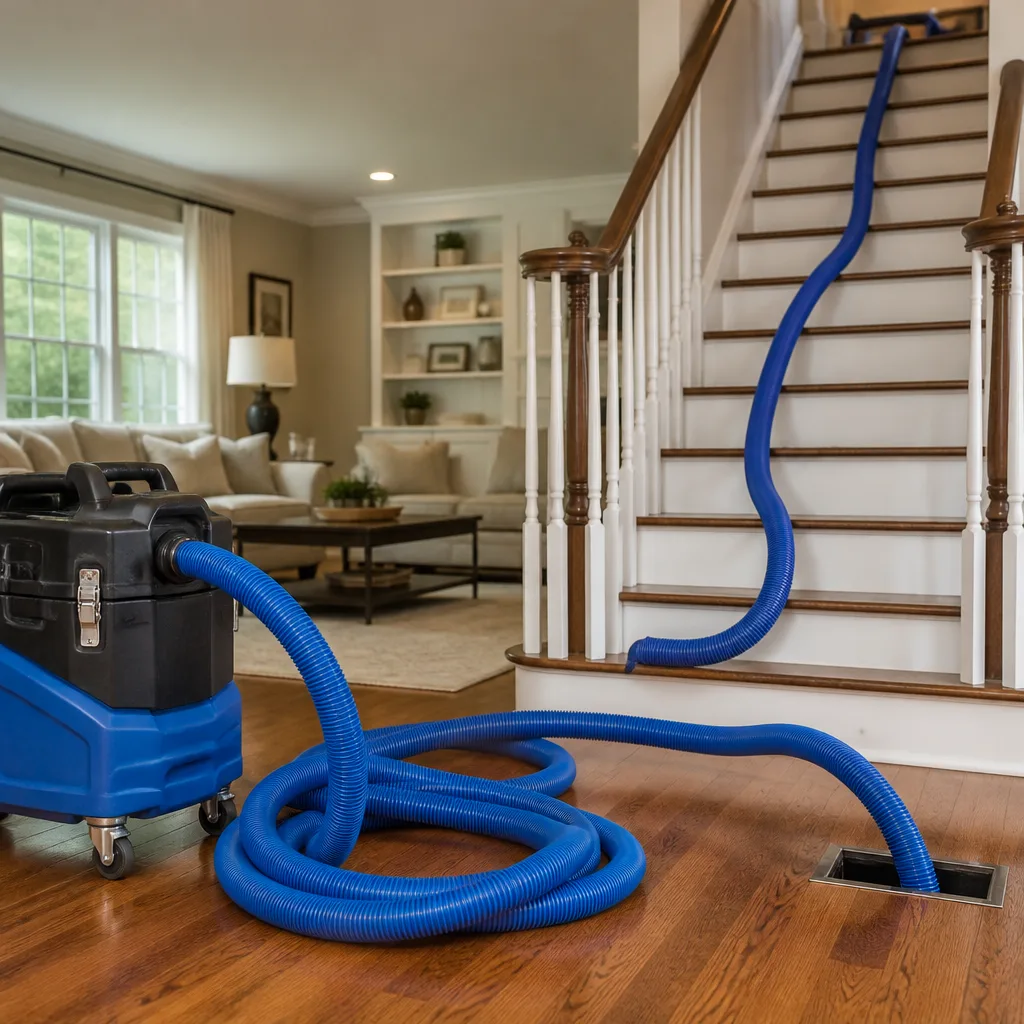 Whole-home duct cleaning
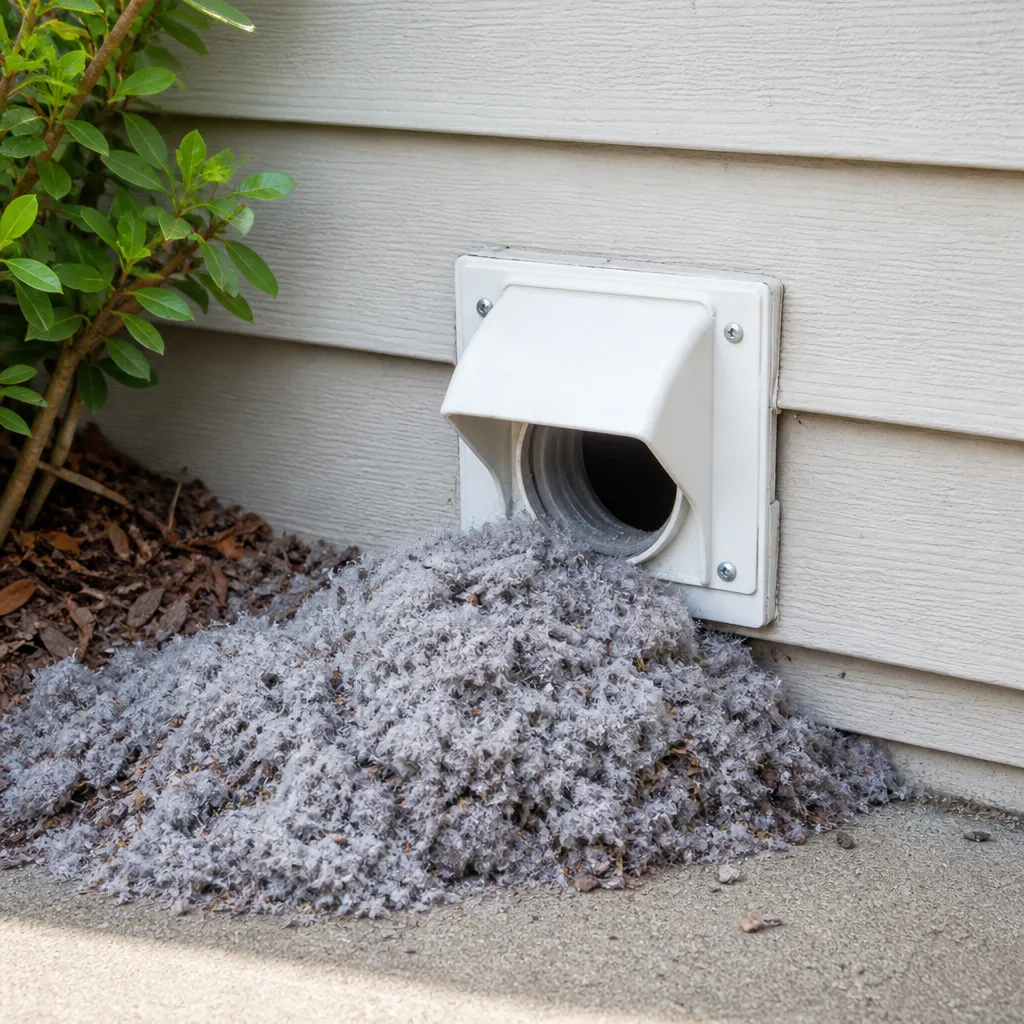 Dryer vent cleaning
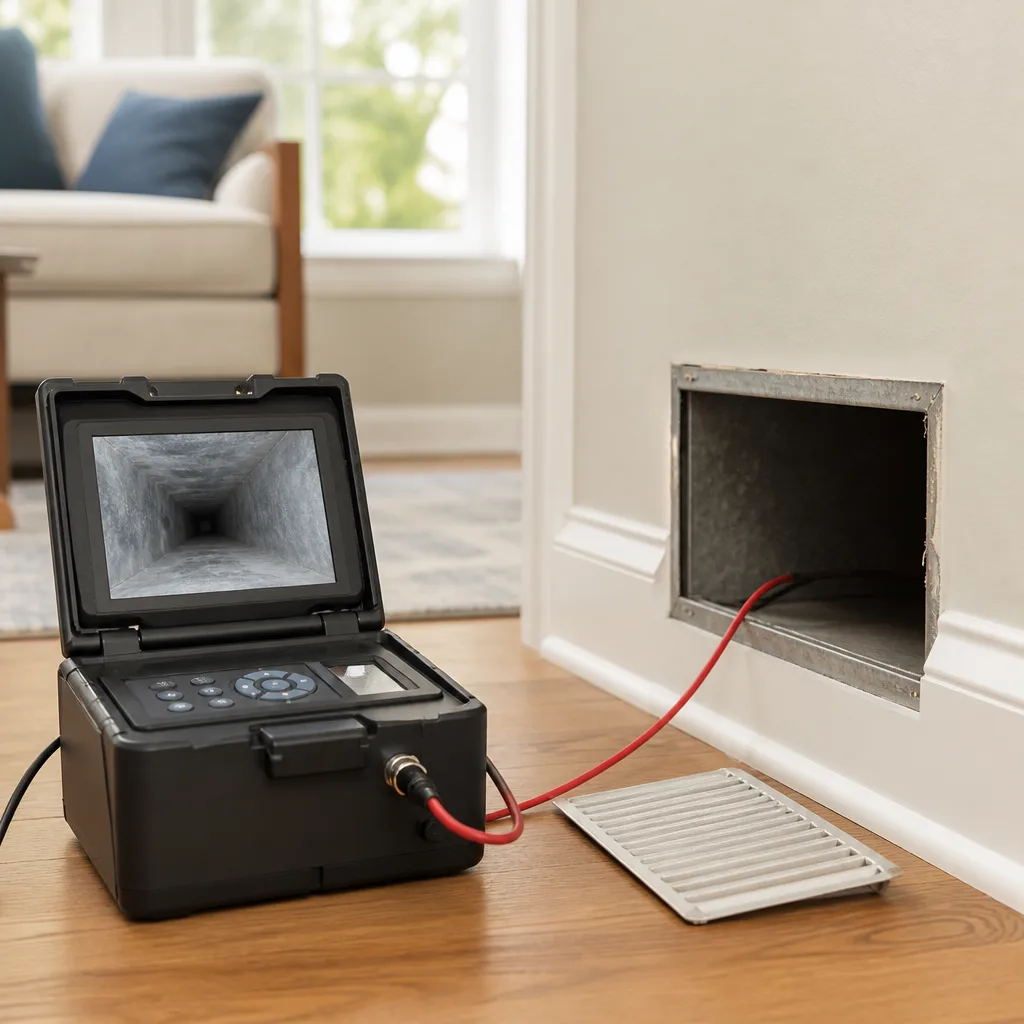 Camera inspection
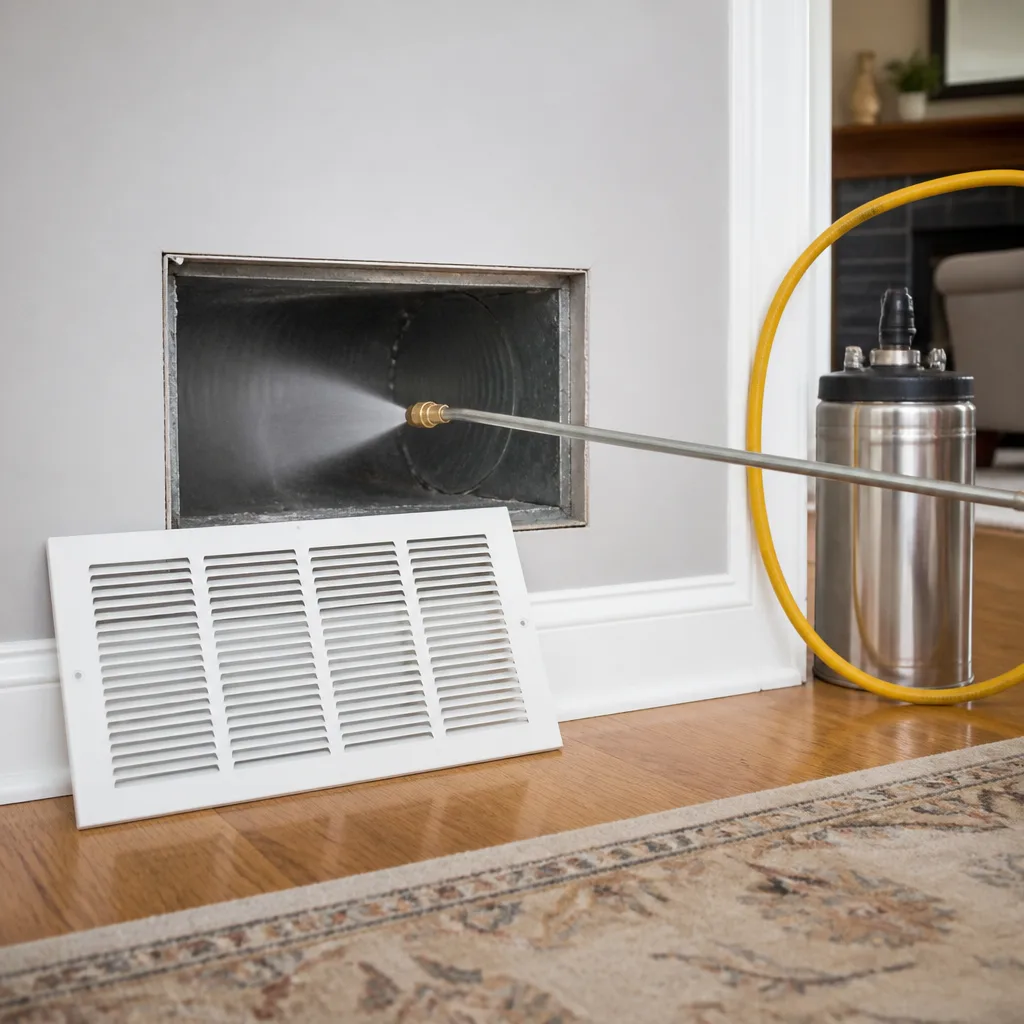 Sanitizing & deodorizing
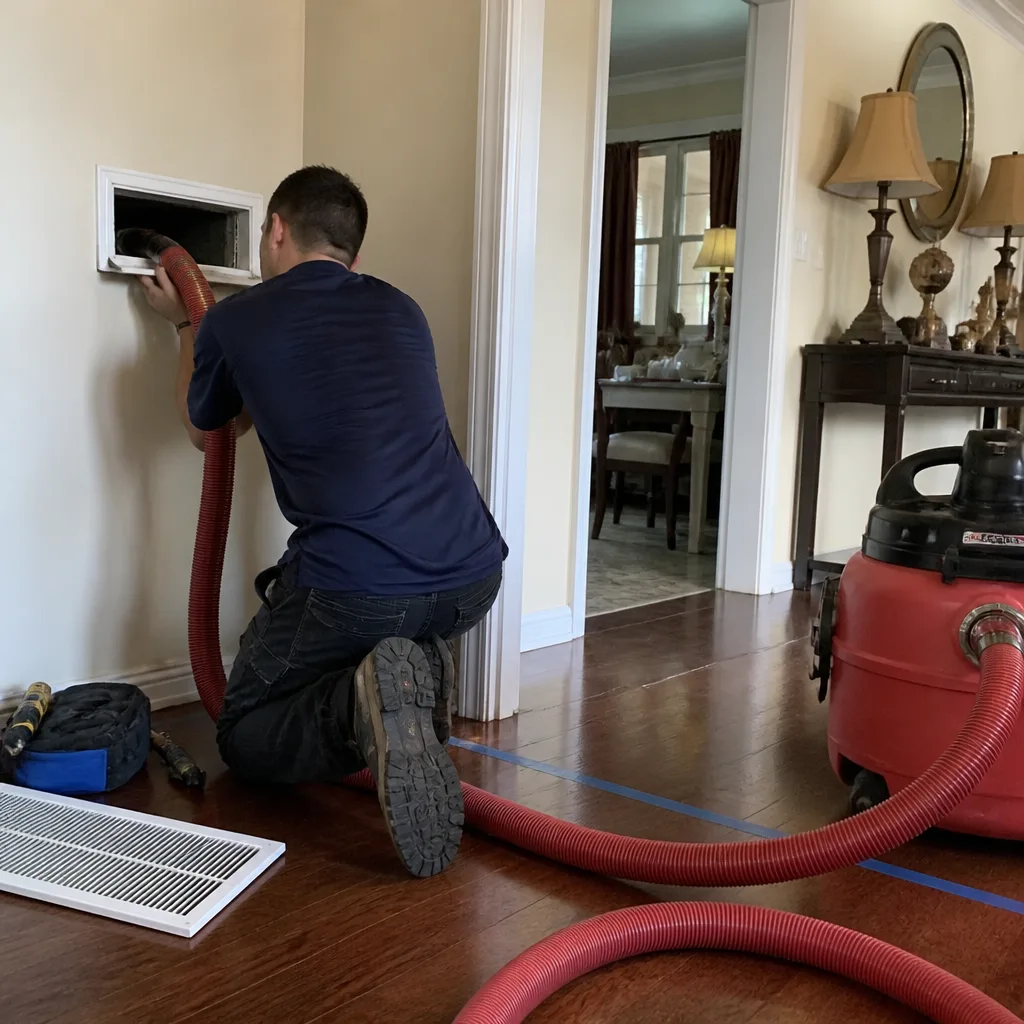
Whole-system duct and dryer vent check with before-and-after photos - you see exactly what came out of your vents
That "$99 whole-house special" is a bait ad - the real number appears once they are in your hallway, or the "clean" is a shop-vac at the register. We photograph the inside of your ducts before and after instead.
Air Duct Cleaning Permits, Codes & Inspections in GA: What You Need to Know
Here’s a counterintuitive fact most Alpharetta homeowners never hear until it costs them money: the actual cleaning of air ducts, the rotary brush work and negative-air extraction itself, requires no permit anywhere in Georgia. But the moment that same job crosses into repair, sealing, or reconnecting a length of flex duct, you may have just stepped into Fulton County’s mechanical inspection territory without knowing it. This guide draws that line in plain language, so the next time a contractor says “we can fix that while we’re in there,” you’ll know exactly which questions to ask before any work begins. For a deeper dive, see our Complete Guide to Air Duct Cleaning in Alpharetta.
Styles & brands we work with
Quick Answer
Air duct cleaning by itself does not require a permit in Georgia. However, duct modification work that often accompanies cleaning, including new duct runs, trunk line replacement, plenum changes, and reconnecting disconnected duct segments, frequently does require a mechanical permit from Fulton County or your local jurisdiction. The line between maintenance and modification is where unpermitted HVAC work enters a home.
Table of Contents
- What Georgia’s State Minimum Standard Codes Actually Say
- Fulton County’s Mechanical Inspection Process Explained
- The Permit Threshold: Cleaning vs. Modification
- What Happens at Resale When Unpermitted HVAC Work Is Found
- Licensed Mechanical Contractor vs. Duct Cleaning Company: What Each Ticket Covers
- The Two-Question Test Every Homeowner Should Ask
- Common Mistakes to Avoid
- When to Call a Professional
- Frequently Asked Questions
- The Bottom Line
What Georgia’s State Minimum Standard Codes Actually Say
Georgia operates under a set of State Minimum Standard Codes that every county and municipality must enforce as a baseline. For HVAC work, the relevant code is the International Mechanical Code with Georgia amendments. Here’s the part that matters for a homeowner in Alpharetta: the code distinguishes between work that maintains a system and work that modifies it. Maintenance, which includes cleaning, filter changes, and visual inspections, sits outside the permit requirement. Modification, which includes sizing changes, duct reconfiguration, and component replacement, sits inside it.
Most air duct cleaning invoices blur this line intentionally or accidentally. A cleaning ticket in Alpharetta might list “reconnect flex duct” or “repair separated trunk line” as a line item. That line item is not cleaning. It is modification. The Georgia code is clear that any alteration to the duct system’s physical configuration, airflow path, or connection points constitutes mechanical work subject to inspection.
What this means in practice: if the scope of work is limited to rotary brush agitation and negative-air collection through existing access points, no permit is needed. If the scope requires cutting into drywall to access a plenum, replacing a section of deteriorated duct board, or reattaching a duct run that has fallen from its supports, the job has crossed the threshold.
We’ve walked through this distinction with hundreds of Alpharetta homeowners because it genuinely confuses people. The honest companies state the line clearly. The ones who wave it off with “don’t worry about it” are usually the ones leaving unpermitted modifications behind the drywall, where they surface years later at inspection.
Fulton County’s Mechanical Inspection Process Explained
Fulton County operates its own mechanical inspection division that reviews and approves permits for HVAC modifications in unincorporated areas and coordinates with the City of Alpharetta for work inside city limits. When a mechanical permit is pulled for duct modification, the process typically works like this:
- Permit application: A licensed mechanical contractor submits the scope of work, including the specific ducts being replaced, reconnected, or modified. The application identifies the system size and the zones affected.
- Plan review: For larger jobs, such as trunk line replacement or whole-home re-ducting, Fulton County reviews the proposed duct sizing against the home’s calculated load. Undersized ducts are a common reason plans get sent back.
- Rough inspection: If walls or ceilings are opened to access ductwork, an inspector verifies the duct configuration before the drywall goes back up. This is the inspection that catches unpermitted work at the worst possible time, after the room is already finished.
- Final inspection: Once the work is complete, an inspector confirms that connections are sealed, supports are properly spaced, and the system operates under designed static pressure. A passed final inspection produces a certificate you’ll want to keep.
Here’s the detail most Alpharetta homeowners miss: the City of Alpharetta has its own building department that works alongside Fulton County’s mechanical inspectors. Depending on where your home sits, you may be dealing with city inspectors, county inspectors, or both. A contractor who works the area regularly knows which jurisdiction applies to which address. That knowledge is part of what you’re paying for when you hire a crew that runs Air Duct Cleaning in Alpharetta with local code familiarity.
The cost of a mechanical permit in Fulton County and Alpharetta typically runs between $75 and $300 depending on the scope of the duct modification. That’s a small line item compared to the cost of retroactively permitting work after the fact, which can require opening walls a second time.
The Permit Threshold: Cleaning vs. Modification
The line between what needs a permit and what doesn’t comes down to whether the duct system’s physical configuration changes. Here is a clear breakdown of specific services and which side of the line they fall on:
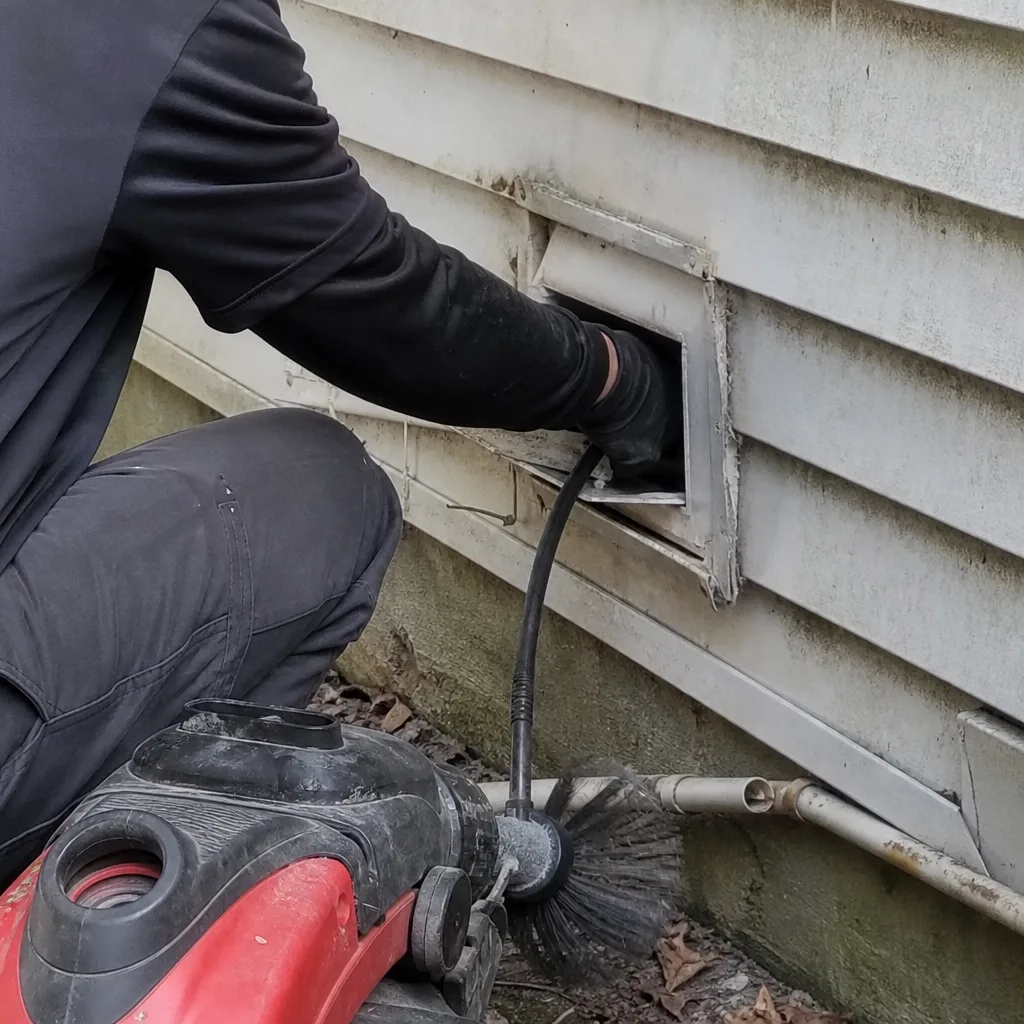
- Rotary brush cleaning through existing access points: No permit. This is maintenance of the existing system using tools like Rotobrush systems that travel through ducts without altering them.
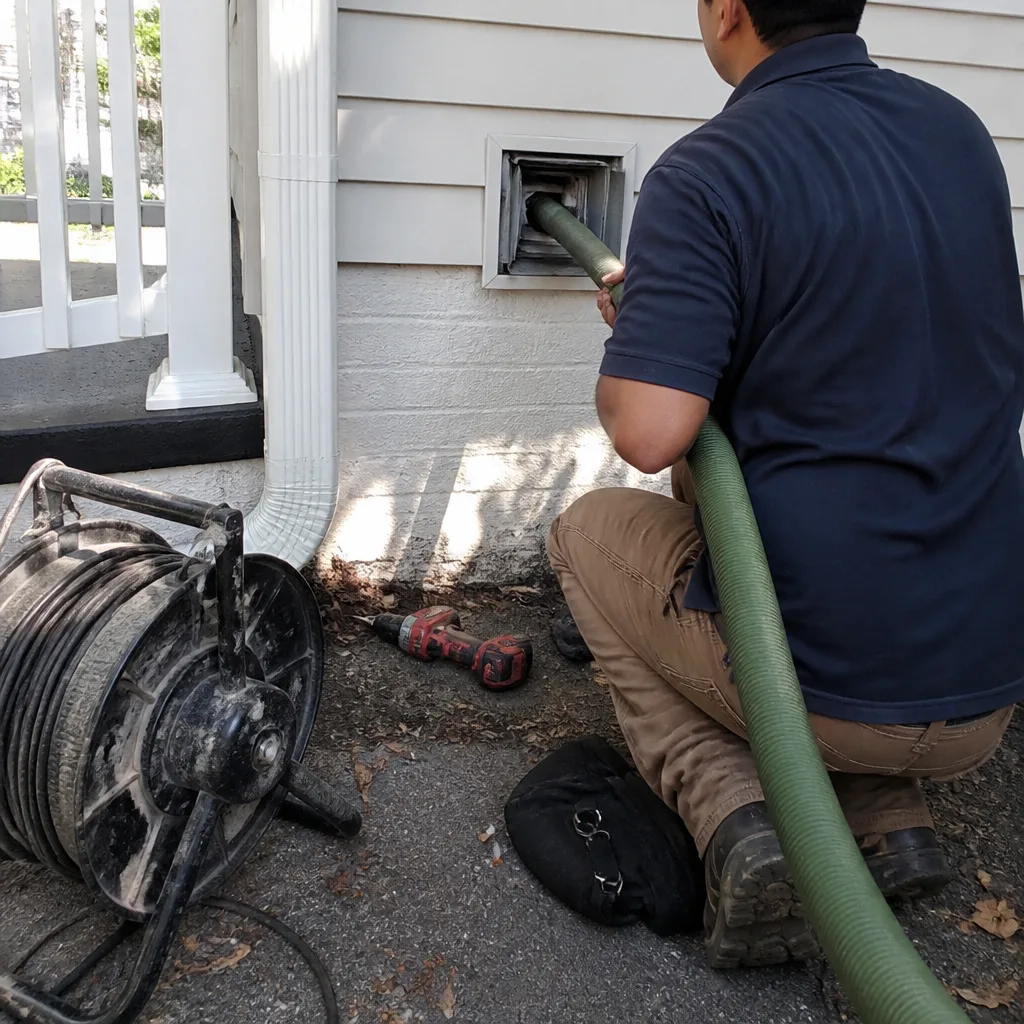
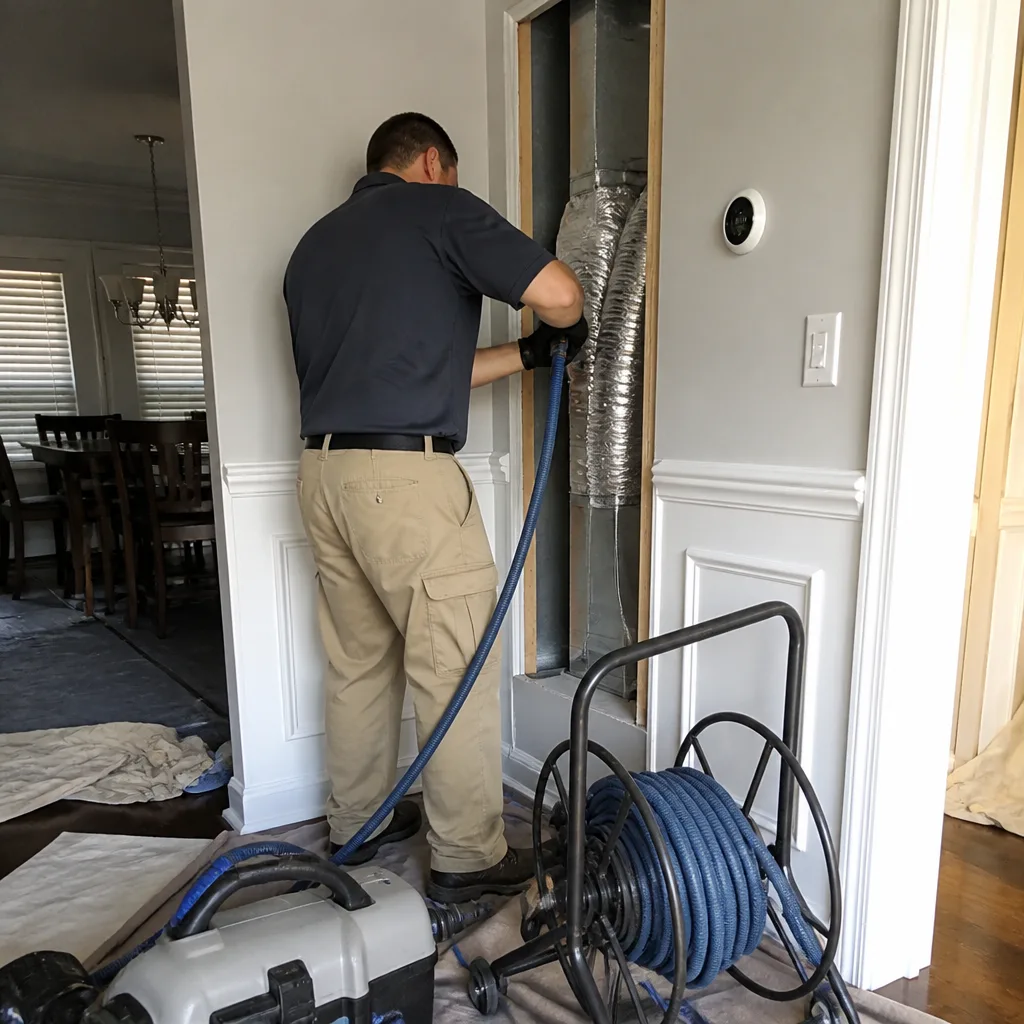
- Negative-air extraction and sanitizing fog: No permit. The ducts remain exactly as they were, just cleaner. This is the core of what a duct cleaning company does.
- Reconnecting a flex duct that has separated from its boot: Permit required in most cases. The duct configuration changes when a disconnected run is physically reattached and resealed.
- Replacing a damaged section of trunk line: Permit required. You are altering the primary airflow artery of the home, and inspectors need to verify sizing and sealing before the cavity is closed.
- Modifying the plenum (the box where ducts connect to the air handler): Permit required. The plenum is the heart of the distribution system, and changes there affect every room in the house.
- Duct sealing with mastic at existing joints: Borderline, but generally no permit if it’s a maintenance-level seal rather than a reconfiguration. If new duct sections are added to make the seal possible, the balance tips toward permit territory.
- Replacing a flex duct run from trunk to boot: Permit required. This is new duct installation, even if it follows the same path as the old run.
In Alpharetta, where summers push attic temperatures past 130 degrees, deteriorated flex duct is a common find during routine cleaning. When we encounter it, the conversation we have with the homeowner is the same every time: this is no longer a cleaning service, and the right move is to bring in a licensed mechanical contractor, or to have our Duct Sealing in Alpharetta team coordinate with your HVAC contractor so the scope is covered correctly. Some duct sealing can be handled as part of a proper cleaning scope, but any new duct material means a permit conversation is on the table.
What Happens at Resale When Unpermitted HVAC Work Is Found
Home inspectors in the Alpharetta market are trained to look for signs of unpermitted HVAC work, and they find it more often than most sellers would like to admit. The consequences cascade quickly, and none of them are cheap.
During a resale inspection, the inspector will look at the visible portions of the duct system: the plenum area, accessible trunk lines, boot connections, and any duct visible in the attic or crawlspace. If they see new duct material that doesn’t match the home’s age, fresh mastic on connections that should be sealed with older materials, or ductwork that clearly was not present when the home was built, they’ll flag it. From there, the buyer’s agent typically asks for two things: proof of permit and inspection, or a price reduction to cover retroactive permitting.
Retroactive permitting in Fulton County is not a simple paperwork fix. The county requires an inspection of the work, which means the inspector needs to see the duct connections. If those connections are behind finished drywall, the wall comes open. Sellers in Alpharetta have lost thousands of dollars at the closing table over a few hundred dollars of duct modification that was never permitted.
We’ve seen this play out in neighborhoods across Alpharetta, from Windward to Crabapple. A homeowner pays for duct cleaning, the crew says “we’ll just reconnect that fallen trunk line while we’re up there,” and three years later the same homeowner is staring at an inspection addendum asking for a permit that doesn’t exist. The fix at that point is measured in drywall repair, painter visits, and inspection fees, not in the original cost of doing it right.
The cleanest habit is simple: when any duct modification is proposed, ask for the permit number before the work proceeds. If the contractor cannot produce one, the work should not happen until a licensed mechanical contractor is involved.
Licensed Mechanical Contractor vs. Duct Cleaning Company: What Each Ticket Covers
This distinction trips up more Alpharetta homeowners than any other part of the duct cleaning process, so let’s lay it out clearly.
A duct cleaning company holds a general business license and carries general liability insurance. That liability policy covers damage the crew causes while performing cleaning work: a torn boot, a scratched wall, a collapsed section of duct. It does not cover the mechanical integrity of a duct system modification. If the cleaning crew reconnects a trunk line and that connection fails six months later, their liability policy will almost certainly deny the claim because the work was outside their licensed scope. The homeowner is left holding the repair bill.
A licensed mechanical contractor in Georgia carries a state-issued mechanical contractor’s license and is authorized to pull permits for duct modification. Their work is subject to county inspection, which means an independent third party verifies the work before it’s closed up. If a licensed contractor’s duct modification fails, their bond and their license are on the line, and their insurance policy covers the scope because the work was performed within their licensed authority.
For a homeowner, the practical difference is warranty enforcement. The 365-Day Done Right Promise we write on every Hollis Air Duct Alpharetta home cleaning covers the cleaning work we perform. If we clean your ducts and a connection we inspected fails within the year, we return and make it right. But if the scope crosses into modification territory, we tell you before we touch anything. We’d rather lose the modification revenue than leave a homeowner with a warranty claim that won’t stand up because the work wasn’t performed under the right license.
Here’s a table that lays out the distinction in plain terms:
| Scope of Work | Who Can Perform It | Permit Needed? | Warranty Backing |
|---|---|---|---|
| Rotary brush cleaning | Duct cleaning company | No | Company guarantee |
| Negative-air extraction | Duct cleaning company | No | Company guarantee |
| Mastic sealing at existing joints | Duct cleaning company | Generally no | Company guarantee |
| Reconnecting separated flex duct | Licensed mechanical contractor | Yes | Contractor license and bond |
| Replacing trunk line sections | Licensed mechanical contractor | Yes | Contractor license and bond |
| Plenum modification | Licensed mechanical contractor | Yes | Contractor license and bond |
| New duct runs | Licensed mechanical contractor | Yes | Contractor license and bond |
The equipment we use, including Nikro negative-air machines and Rotobrush agitation systems, is designed for the cleaning scope where we operate. The moment a job needs a permit, that’s a different toolset and a different license, and we’ll tell you that plainly.
The Two-Question Test Every Homeowner Should Ask
Before any duct work begins in your Alpharetta home, whether it’s a cleaning, a sealing, or a repair, there are two questions that will protect you more than any contract language. Ask them out loud, in order, and don’t let the crew start until you get clear answers.
- “Does this work require a permit?” If the contractor hesitates, waffles, or says “technically yes, but we usually don’t bother with it,” stop the job. A contractor who admits a permit is required but suggests skipping it has just told you they’re willing to cut a corner that puts your resale at risk. The right answer is either a clear no with the reason why, or a clear yes with a permit number you can verify.
- “Are you licensed to pull one if it does?” If the answer to question one is yes, this follow-up determines who does the work. If the contractor is not licensed to pull a mechanical permit, the modification portion of the scope should be delegated to someone who is. A cleaning company that’s honest about this line will tell you exactly where their scope ends and the licensed contractor’s scope begins.
We tell every Alpharetta homeowner we work with to ask us these questions. Roy Castellanos, who leads our team, expects them. A contractor who gets defensive at these two questions is telling you something important about how they run jobs. A contractor who answers them cleanly is showing you the Dryer Vent Cleaning in Alpharetta standard we hold ourselves to: written prices, clear scope, and no surprises behind the drywall.
Common Mistakes to Avoid
- Assuming a cleaning invoice covers repair work. In Alpharetta, we’ve seen cleaning invoices with “reconnect duct” line items that later failed because the work wasn’t permitted. Cleaning scope and repair scope are different legal categories. Keep them separate on paper.
- Not recording who did what work. When a duct cleaning crew also performs a minor repair, the homeowner often has no record of who did the repair. Write down the company name, the date, and the specific work performed. You’ll need that paper trail if a resale inspector asks.
- Believing “it’s just a small fix” needs no permit. The permit requirement doesn’t scale with the size of the work. Reconnecting one fallen flex duct boot can trigger the same inspection obligation as replacing a trunk line. Small doesn’t mean exempt.
- Letting the contractor decide for you. A contractor who says “you don’t need a permit for this” without explaining why is making a decision that legally belongs to you. Ask the two questions. Get the answer in writing on the scope.
- Paying cash without documentation. Cash jobs without a written scope are the most common way unpermitted HVAC work enters a home. Always get a written description of the work, even for what feels like a simple cleaning.
- Ignoring the resale timeline. Homeowners in Alpharetta often plan to sell within five years but don’t think about duct work decisions at the time of service. If you’re selling, unpermitted modifications become a negotiating chip for the buyer. If you’re buying, they become a surprise expense after closing.
- Confusing cleaning equipment with repair capability. Professional equipment like Aprilaire filtration products or Honeywell media cabinets affects air quality, but it doesn’t change the permit requirements for duct modification. Don’t let the presence of good equipment convince you the scope is covered.
When to Call a Professional
Call a professional when the scope crosses the cleaning line. If the work involves reconnecting separated ducts, replacing trunk sections, modifying the plenum, or installing new runs, you’re in permit territory, and the person doing that work needs to be a licensed mechanical contractor. Call when you see water staining near ducts in your Alpharetta attic, when a room suddenly loses airflow after years of normal operation, or when your resale inspection flagged duct issues that need documentation. These are not cleaning jobs, and a legitimate cleaning company will tell you that.
Hollis Air Duct Alpharetta offers free estimates in Alpharetta. Call (762) 769-7145 and we’ll walk through the scope with you before any work begins.
Frequently Asked Questions
No. Air duct cleaning itself, whether performed with rotary brush systems or negative-air extraction, does not require a permit anywhere in Georgia because it is classified as maintenance, not modification. The permit requirement kicks in when duct repair, reconnection, replacement, or reconfiguration is part of the scope. If your cleaning company proposes any of those services, ask whether a permit is required.
Use the modification test: if the work changes the physical configuration of your duct system, it likely needs a permit. Examples include reconnecting separated flex duct, replacing trunk line sections, modifying the plenum, or installing new duct runs. If the work only changes the condition of the existing ducts, such as cleaning or sealing existing joints, it generally does not need a permit. When in doubt, call (762) 769-7145 and we’ll help you determine where your scope falls.
During a resale inspection, the inspector may flag duct work that appears newer than the home or lacks a permit. The buyer’s agent will then request proof of permit or a price reduction. If neither is acceptable, Fulton County may require a retroactive inspection, which can mean opening walls to expose the duct connections. Sellers in Alpharetta have lost thousands of dollars this way over duct work that cost a few hundred dollars originally.
A duct cleaning company carries general liability insurance that covers damage from cleaning work. It does not cover the mechanical integrity of duct modifications, and most policies will deny claims arising from unlicensed modification work. A licensed mechanical contractor carries a state license and bond that specifically cover the work they perform, and their work is subject to county inspection. If a modification fails under a licensed contractor, the license and bond are there to protect you. If it fails under an unlicensed crew, you’re on your own.
Mechanical permits in Fulton County and the City of Alpharetta typically range from $75 to $300 depending on the scope of the duct modification. Smaller jobs like reconnecting a flex duct run sit at the lower end, while trunk line replacement or whole-home re-ducting sits higher. The permit fee is a small fraction of the cost of retroactive permitting or resale negotiation.
Hollis Air Duct Alpharetta handles air duct cleaning, dryer vent cleaning, and duct sealing at existing joints. When we encounter duct damage that crosses into modification territory, including separated flex duct, deteriorated trunk sections, or plenum issues, we tell you before the scope changes and recommend a licensed mechanical contractor. We’d rather turn down that portion of the job than leave you with unpermitted work. Call (762) 769-7145 to discuss your specific situation.
The Bottom Line
Air duct cleaning in Georgia sits squarely in maintenance territory, and no permit is required. But the related work that often rides along with cleaning, including reconnecting flex duct, replacing trunk line sections, and modifying the plenum, crosses into modification territory where Fulton County and the City of Alpharetta require a permit and a licensed mechanical contractor. The homeowners who get burned are the ones who never learn where that line sits. Browse our more guides & resources to stay informed. Ask the two questions before any scope begins, keep the paperwork on every job, and treat unpermitted duct work as a resale liability, not a harmless corner cut. The line is clear once you know where to look.
Written by Roy Castellanos, Owner at Hollis Air Duct Alpharetta, serving Alpharetta since 2004.
See the difference
 Before
 After
After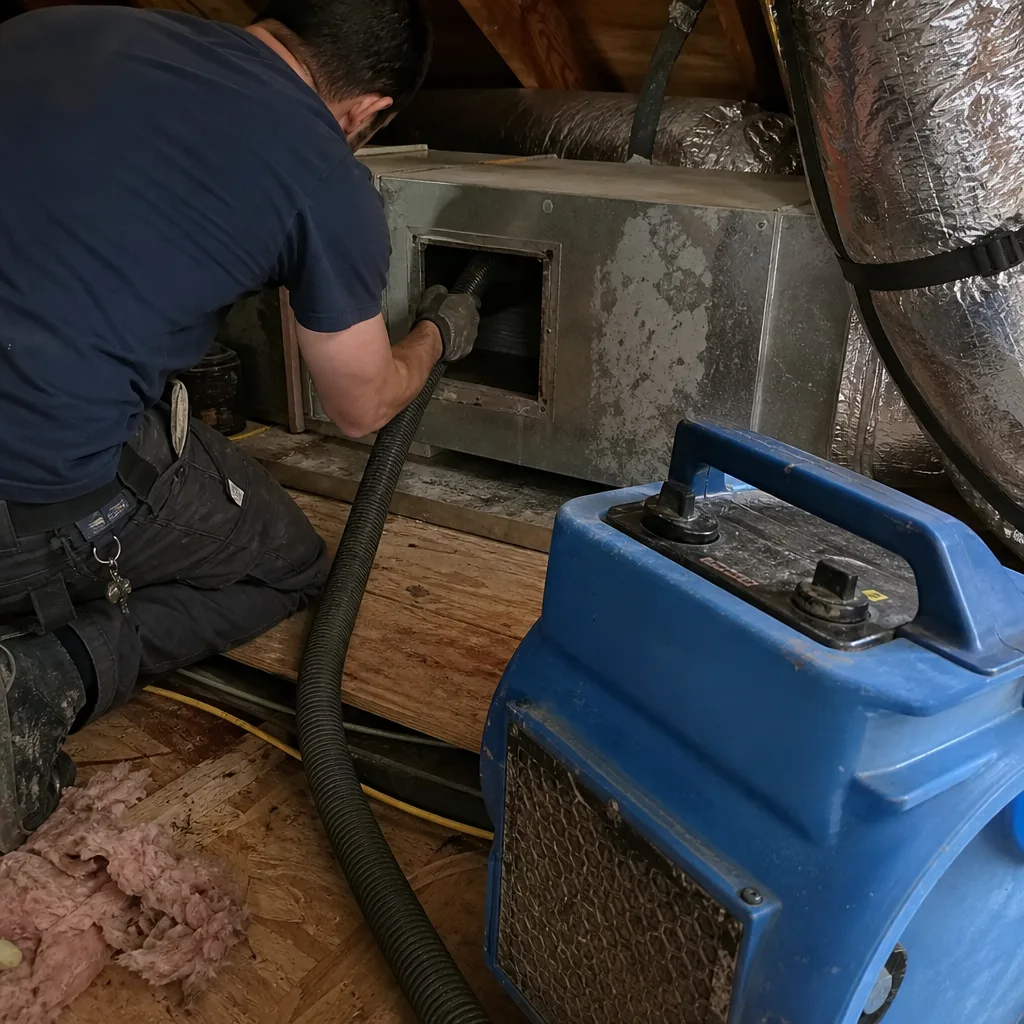 Before
 After
After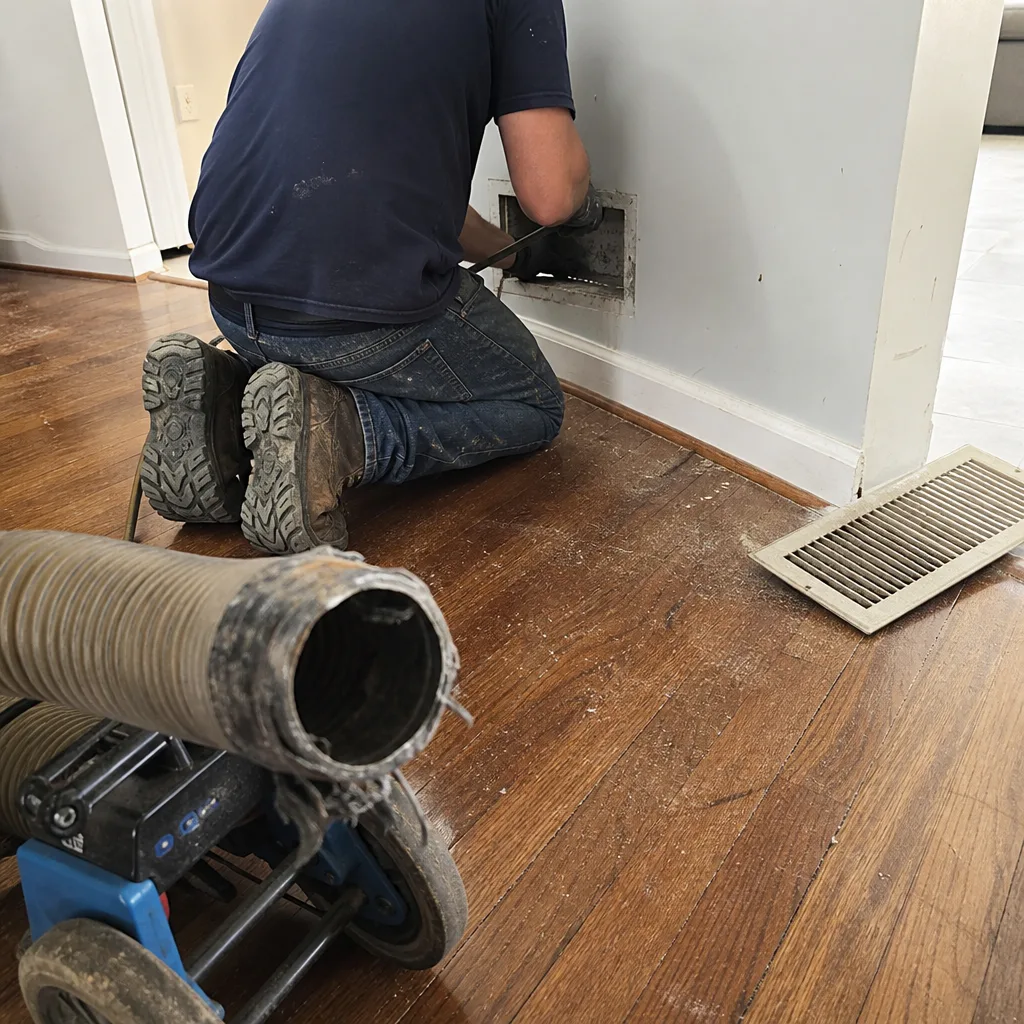 Before
 After
After